
Kathy Hubbard and Annise Parker: A Love Story, Lived Out Loud
Thirty-five years of partnership, family, and public life in Houston.

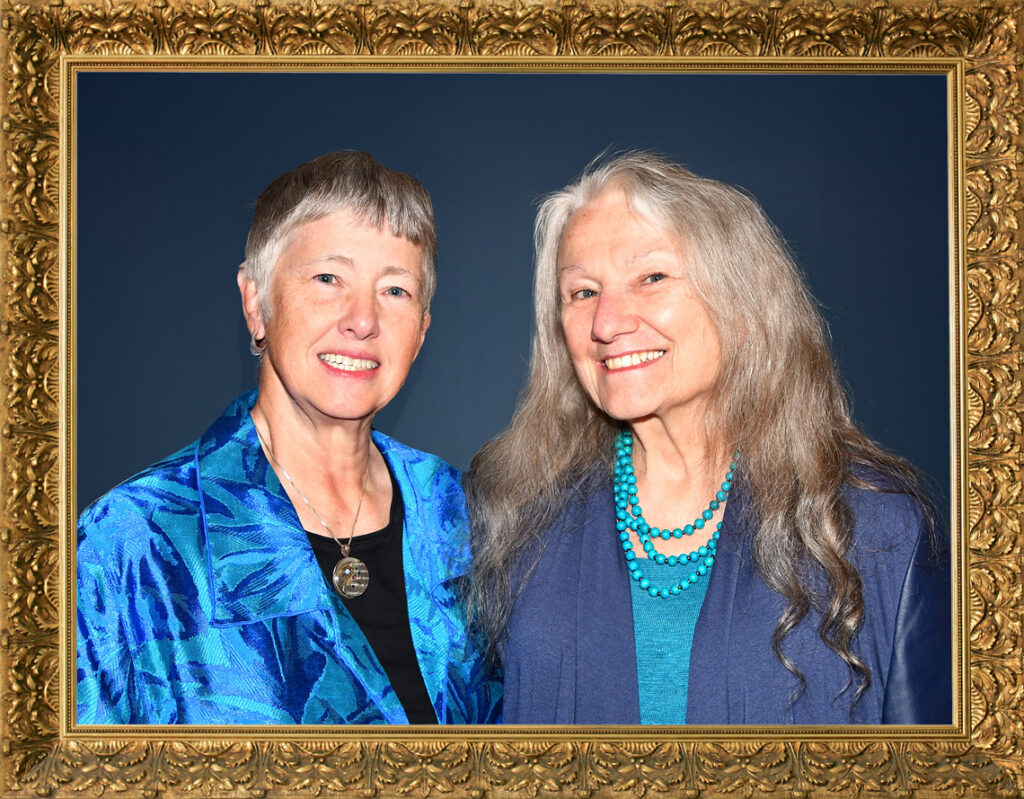
Asking your significant other to pick up something from the grocery store might seem like a typical domestic task. But for Kathy Hubbard, it was more complicated.
It’s not that she couldn’t trust her spouse to get everything on their list. “She will get stopped by so many people who want to talk to her,” Hubbard explains. Plus, a simple grocery store run often required a security detail.
Hubbard’s wife is Annise Parker, who was elected to three terms as Houston’s mayor, from 2010 to 2016, and before that served on City Council and as city controller. Hubbard has been at her side through all of it, first as Parker’s life partner in the 1990s, and then as wife when they married in 2014.
Public service put them in the spotlight as a prominent lesbian couple in a very conservative state—and Parker as the first out lesbian mayor of a major U.S. city. But they used the opportunity to normalize their relationship in the public eye. They were a committed couple; they were raising children together; they were a family like any other in Houston.
As Hubbard would often say, “We weren’t just out of the closet, we were out on the front lawn.”
A Momentous Meeting
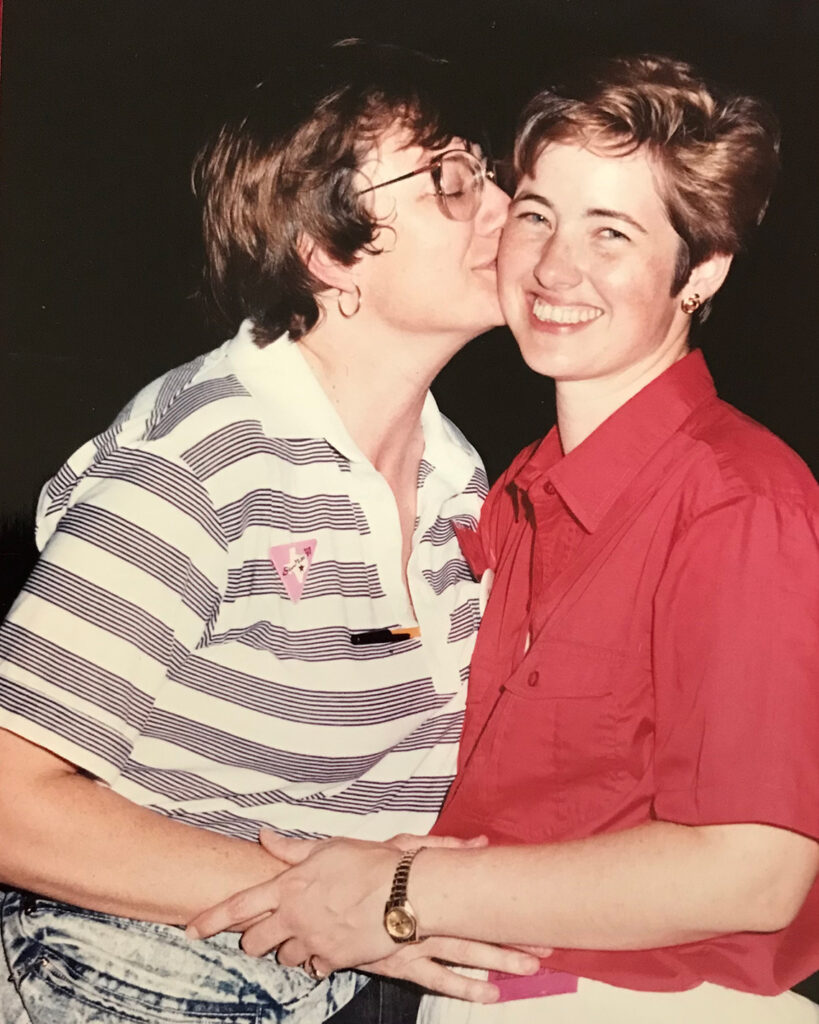
Their first meeting was a brief one during a Houston LGBTQ+ Political Caucus gathering in 1990. Parker was the Caucus president, establishing herself in Houston’s civic landscape. She was also running the former queer-focused bookstore Inklings in Montrose. Hubbard had just started a tax consulting business and was active in local women’s organizations.
Hubbard later went by Inklings to ask if Parker needed help with taxes. Hubbard admits to hiding a crush then, but she was also serious about growing her business. Parker, perhaps playing hard to get, said she already had someone handling the shop’s books. But she divulged that she had just broken up with her then-girlfriend and was in the midst of moving out. Could Hubbard help with her personal finances instead? Hubbard had a better idea: she had a truck. Maybe she could help Parker move?
“I wasn’t stalking her,” Hubbard clarifies with a laugh. “She says I didn’t let her get out of the driveway. Whenever she needed a friend or helping hand, I was there. We started going to parties together, but she made it really clear that she was not wanting to jump into a relationship right away.”
Still, they both saw the signs of romance, and within three months they were dating. They moved in together six months later.
Parker’s political pursuits continued to grow, though it all felt organic, knowing how they first connected. It also helped that their civic interests didn’t really intersect.
“We were busy people already,” Parker says. “We had our own businesses, and we were involved in different organizations. We each had our own spheres of influence.”
The night of Parker’s first big electoral win—a City Council seat in 1997—organizers asked them how they wanted to be introduced on stage. “Life partners” was Parker’s split-second response, and it made sense.
“Partner sounded like a business partner,” Hubbard says.
The couple’s next big label: Mayor and First Lady. Hubbard says she was apprehensive about the title and the responsibilities that came with it. But she credits former First Ladies Andrea White and Elyse Lanier for welcoming her into the fold with a series of introductory events that helped her feel like an equal in a world of straight political couples.
Parker and Hubbard made an agreement: Hubbard would attend events and appearances where a spouse was expected. She got involved with Houston causes that interested her, such as environmental issues or LGBTQ awareness. But they tried to keep politics off the table when they were at home.
“Once we adopted kids,” Hubbard says, “all our time at home became about them.”
Family Matters
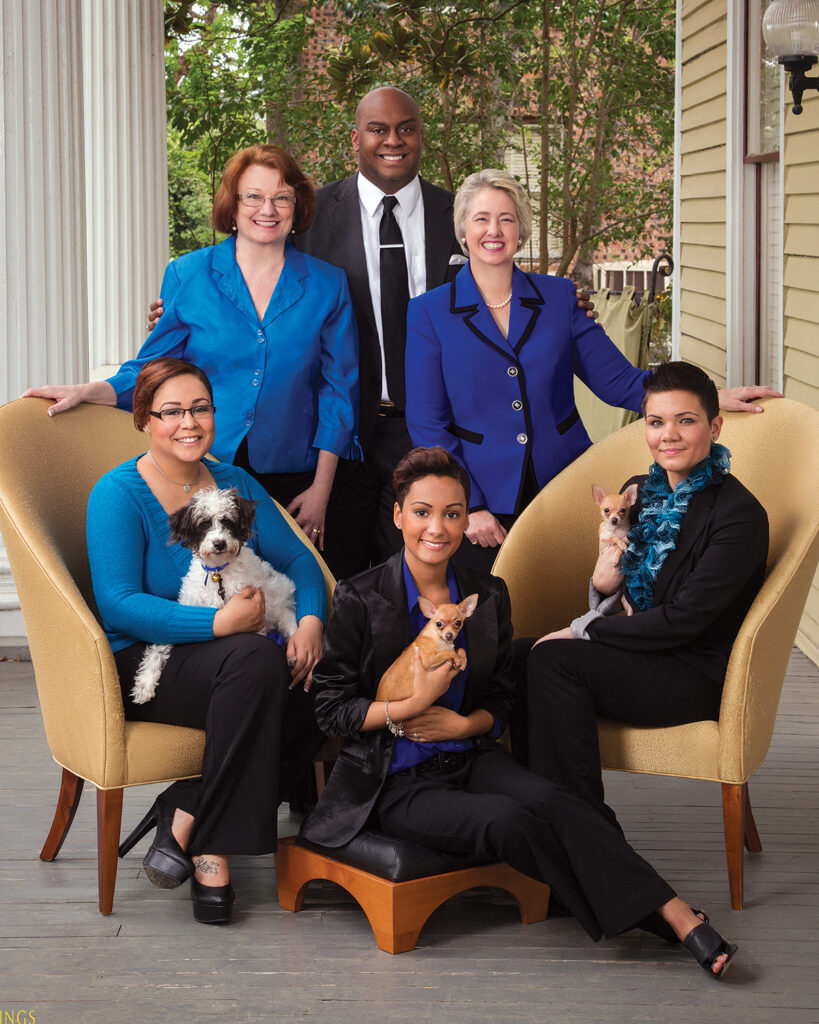
Starting a family happened unexpectedly at first. Jovan was a gay teenager Parker had met at several LGBTQ events who was living on the streets at the time. They were sympathetic to his situation and took him in—at first temporarily—in 1994, though it soon became permanent.
Between Parker’s tenure on the City Council and her 2003 election as city controller, they adopted two young sisters. About five years later, they adopted another daughter.
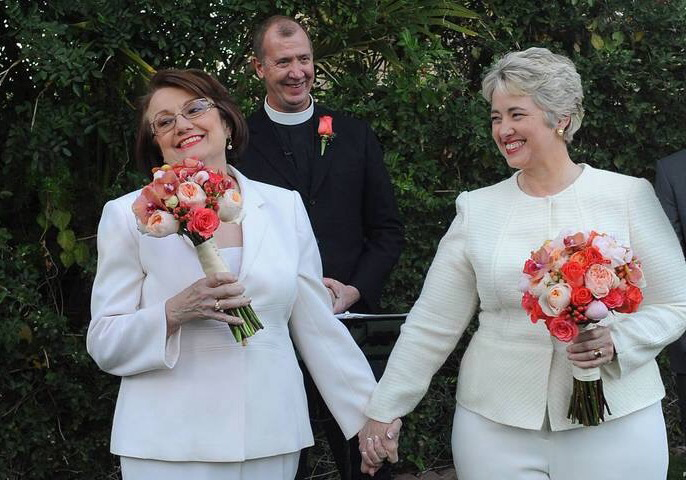
Only after they had formed a family did the idea of marriage become more meaningful. Parker and Hubbard marked their 23rd anniversary with a Palm Springs wedding in 2014.
“Because we had been together so long and had raised kids together, we didn’t think it would matter,” Parker says. “I thought it’s just a piece of paper, but it had a profound effect. Having that piece of paper where the state says you are in a relationship, it really mattered.”
Their children are now in their 30s and 40s and have provided them with seven grandchildren, ranging in age from one month to eight years.
When they aren’t busy spoiling the grandkids, the couple makes time to travel together. Last year was a trip to Yellowstone. A few years ago, they hit a bucket-list item by visiting the Galápagos Islands.
While Hubbard is now retired, Parker is currently a candidate for Harris County judge and is busy campaigning ahead of the March election. Despite the return to politics, they describe themselves as homebodies who are happiest when they can read or work on hobbies like sewing and gardening. They still come together at the end of a busy day for dinner and discussion.
Parker’s secret to a long relationship? A sense of humor and good communication. And Hubbard’s? Treating each other with respect.
In It for the Long Haul
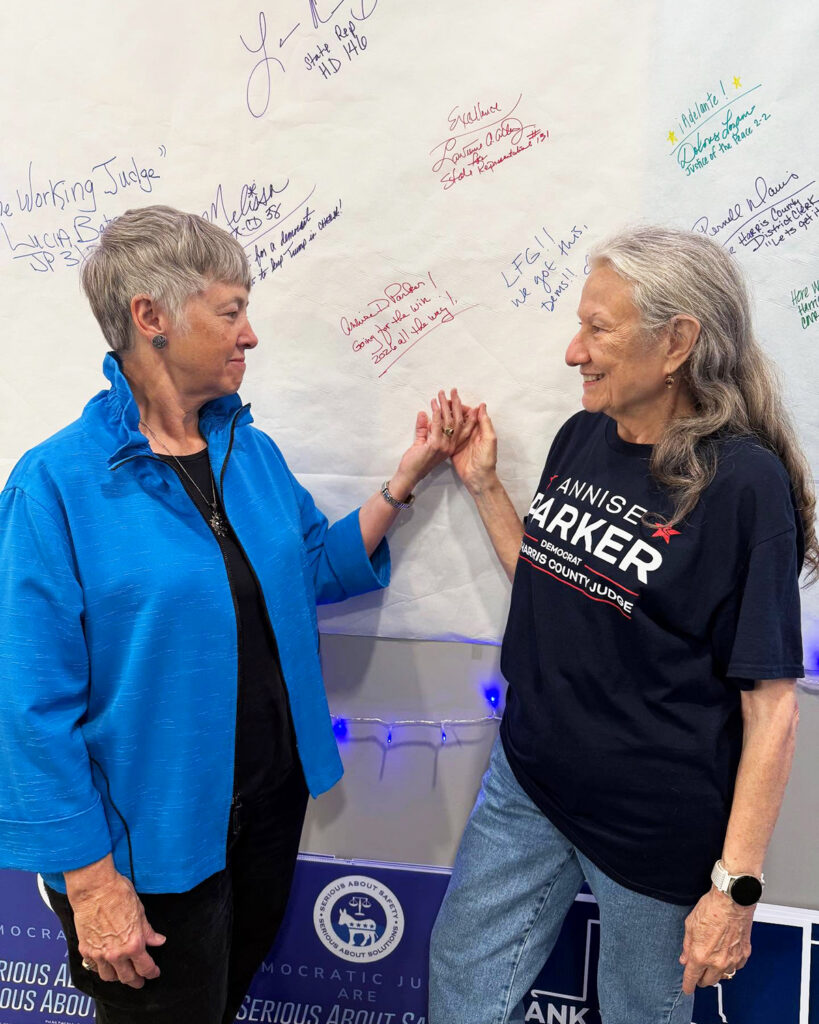
Looking back on 35 years together, they especially appreciate what their legacy and struggles mean for the LGBTQ community. They worry about the future for queer people, and both acknowledge the backtracking that seems to be taking place in America, especially with conservatives targeting trans youth. If anything, they hope the longevity of their out-and-proud relationship can serve as an example of resilience.
“We were always conscious that we were recognizable in the community, and that we needed to be role models,” Parker says. “The world has shifted completely from what it was when we started. And it’s nice to know that we both have been part of creating that change.”