
Harvey Milk Day Honors LGBTQ Hope and Visibility
May 22 celebrates the trailblazing gay politician’s legacy.

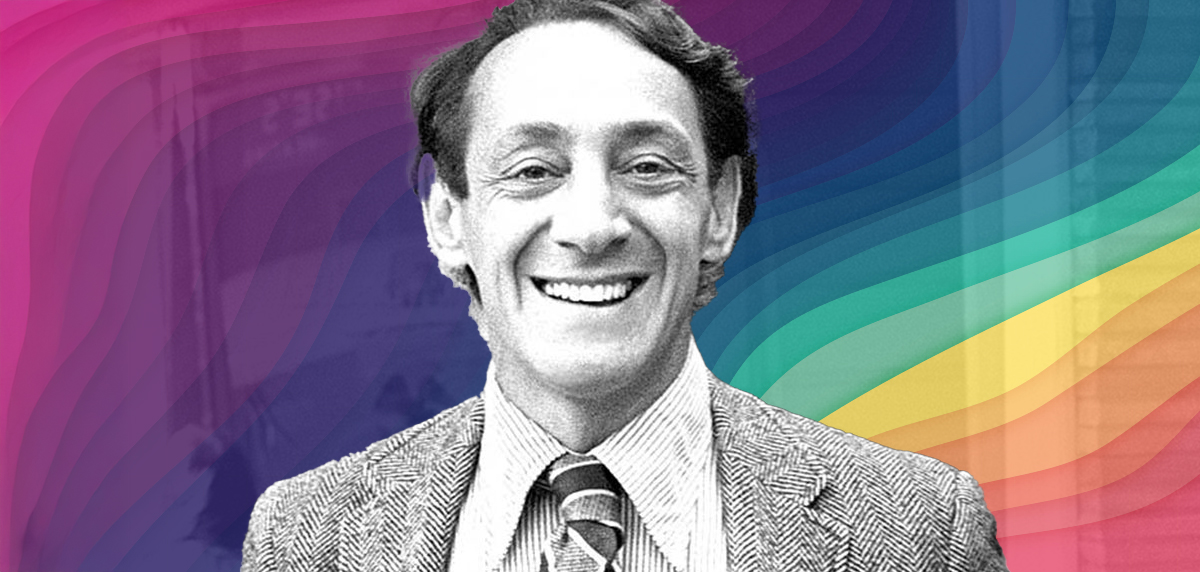
Each year on May 22, Day honors one of the most important and transformative figures in LGBTQ history. Established in California in 2009 and now recognized nationwide by many organizations, schools, and elected officials, the day celebrates the life, activism, and enduring legacy of Harvey Milk, the first openly gay man elected to public office in California.
Milk’s story remains deeply intertwined with the modern LGBTQ-rights movement.
Born in 1930 in New York, Milk served in the U.S. Navy before eventually settling in San Francisco during the early 1970s. At the time, the city’s Castro District was emerging as a haven for LGBTQ people seeking community and visibility in an era defined by discrimination and secrecy. Milk opened a camera shop in the neighborhood, quickly becoming known not only as a businessman, but also as an outspoken advocate for LGBTQ rights, labor unions, and marginalized communities.
His political rise was not immediate. Milk lost several campaigns before finally winning a seat on the San Francisco Board of Supervisors in 1977. That victory made national headlines. At a time when openly LGBTQ public officials were extraordinarily rare, Milk’s election represented a seismic shift in visibility and political power.
But Milk’s influence extended beyond symbolism.
He became a powerful and charismatic voice for LGBTQ equality, urging queer people to live openly and authentically despite the risks. His famous “Hope Speech” encouraged LGBTQ people to come out, arguing that visibility was the key to changing public attitudes and dismantling prejudice.
“You gotta give them hope,” Milk said, words that remain central to his legacy decades later.
During his time in office, Milk successfully championed a San Francisco ordinance banning discrimination based on sexual orientation in housing, employment, and public accommodations. He also became a leading opponent of California’s Proposition 6, also known as the Briggs Initiative, which sought to ban gay and lesbian people from working in public schools. The measure was ultimately defeated in 1978, thanks in part to Milk’s advocacy and organizing.
Milk’s life was tragically cut short on Nov. 27, 1978, when he and San Francisco Mayor George Moscone were assassinated inside City Hall by former Supervisor Dan White.
Yet Milk’s impact only grew after his death.
Today, Harvey Milk is remembered not only as a pioneering politician, but also as a symbol of courage, visibility, and the ongoing fight for equality. Schools, community centers, streets, and public institutions across the country now bear his name. In 2009, President Barack Obama posthumously awarded Milk the Presidential Medal of Freedom.
Harvey Milk Day serves as both a celebration and a reminder: progress often comes because people are willing to stand openly in the face of hostility and demand something better. For many LGBTQ Americans, Milk’s legacy still represents the power of visibility, political engagement, and hope.