
Montrose Rainbow Crosswalks Removed, Stirring Outcry
City, state clash over Montrose’s LGBTQ landmark.

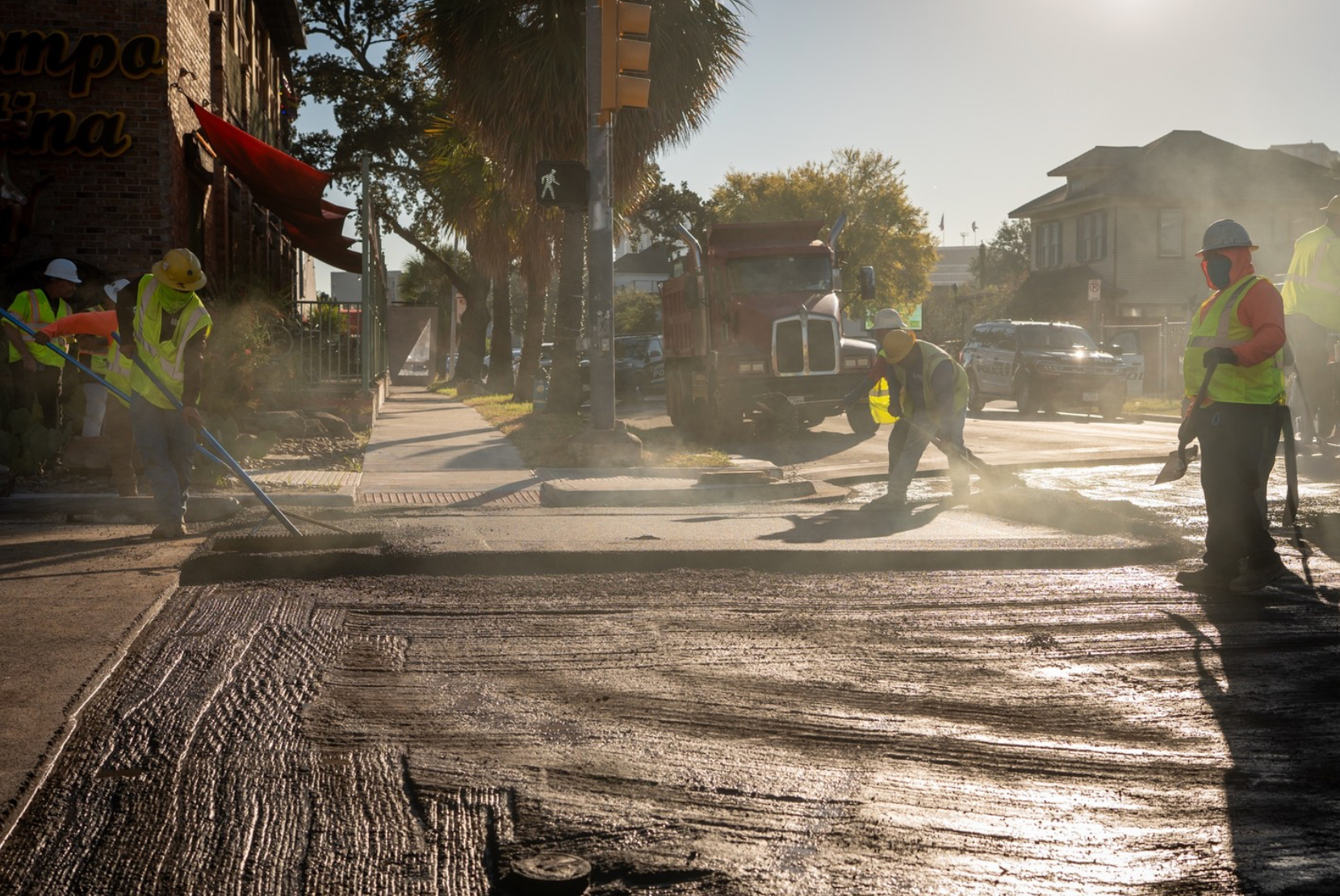
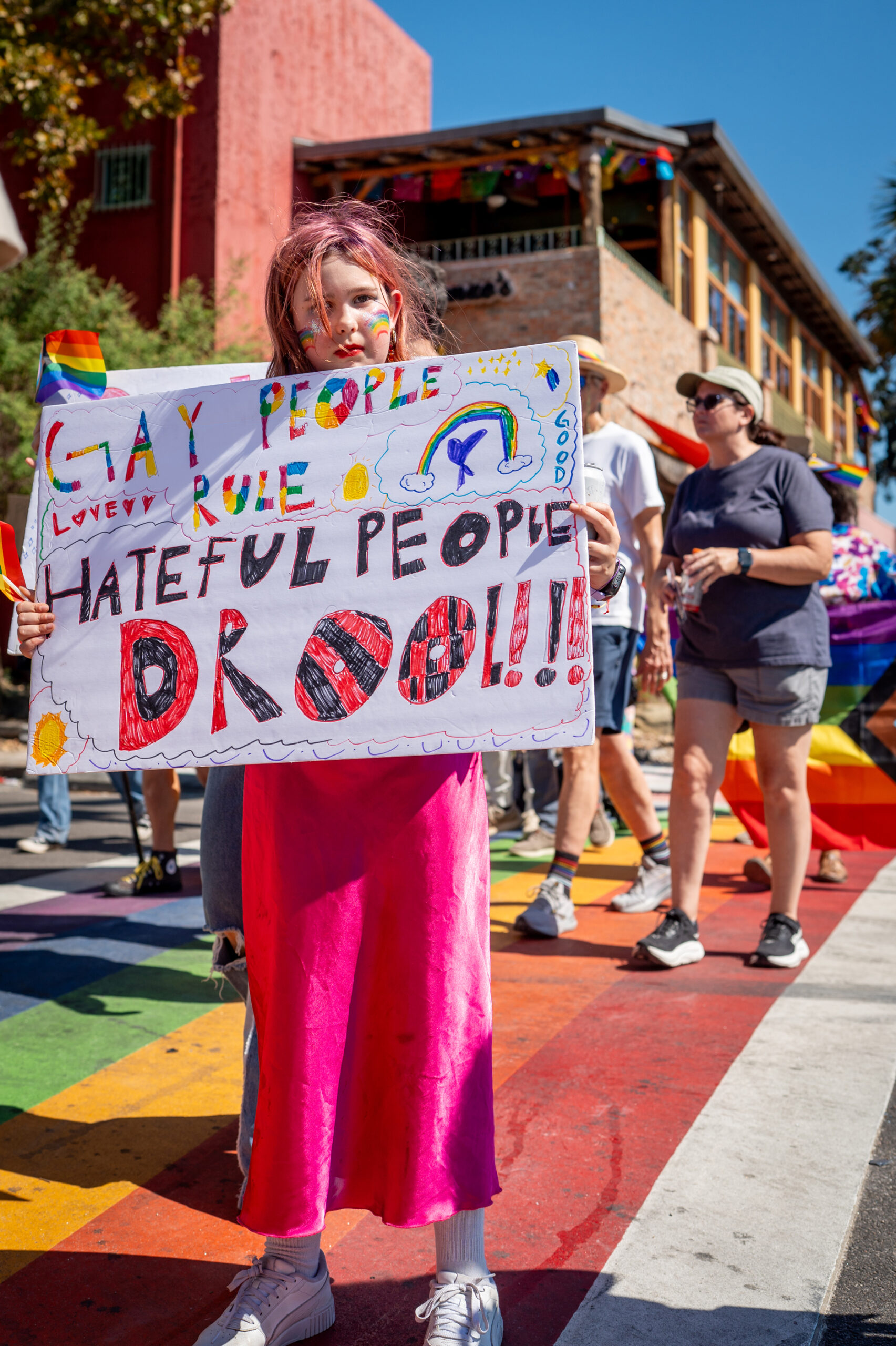
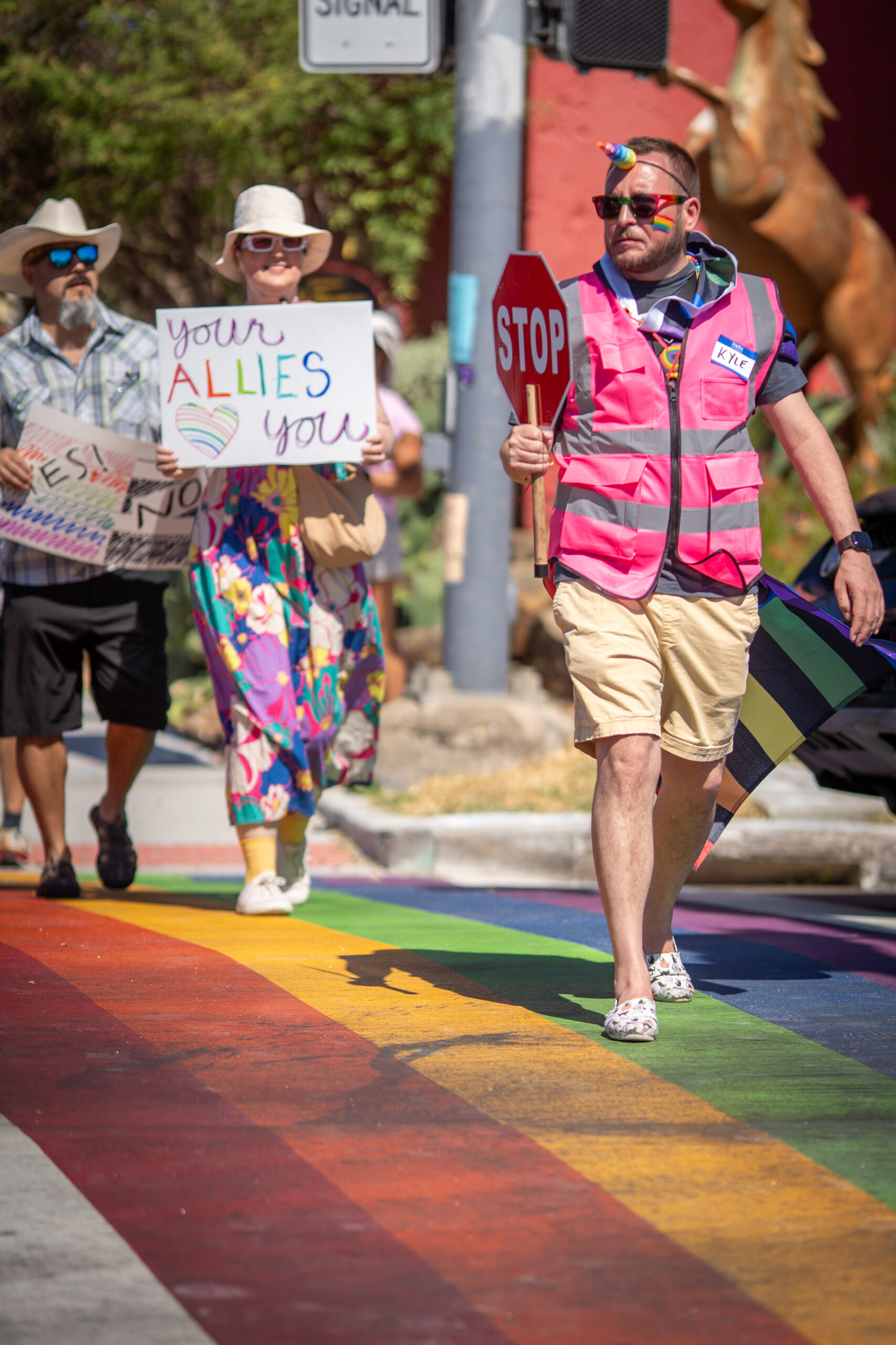
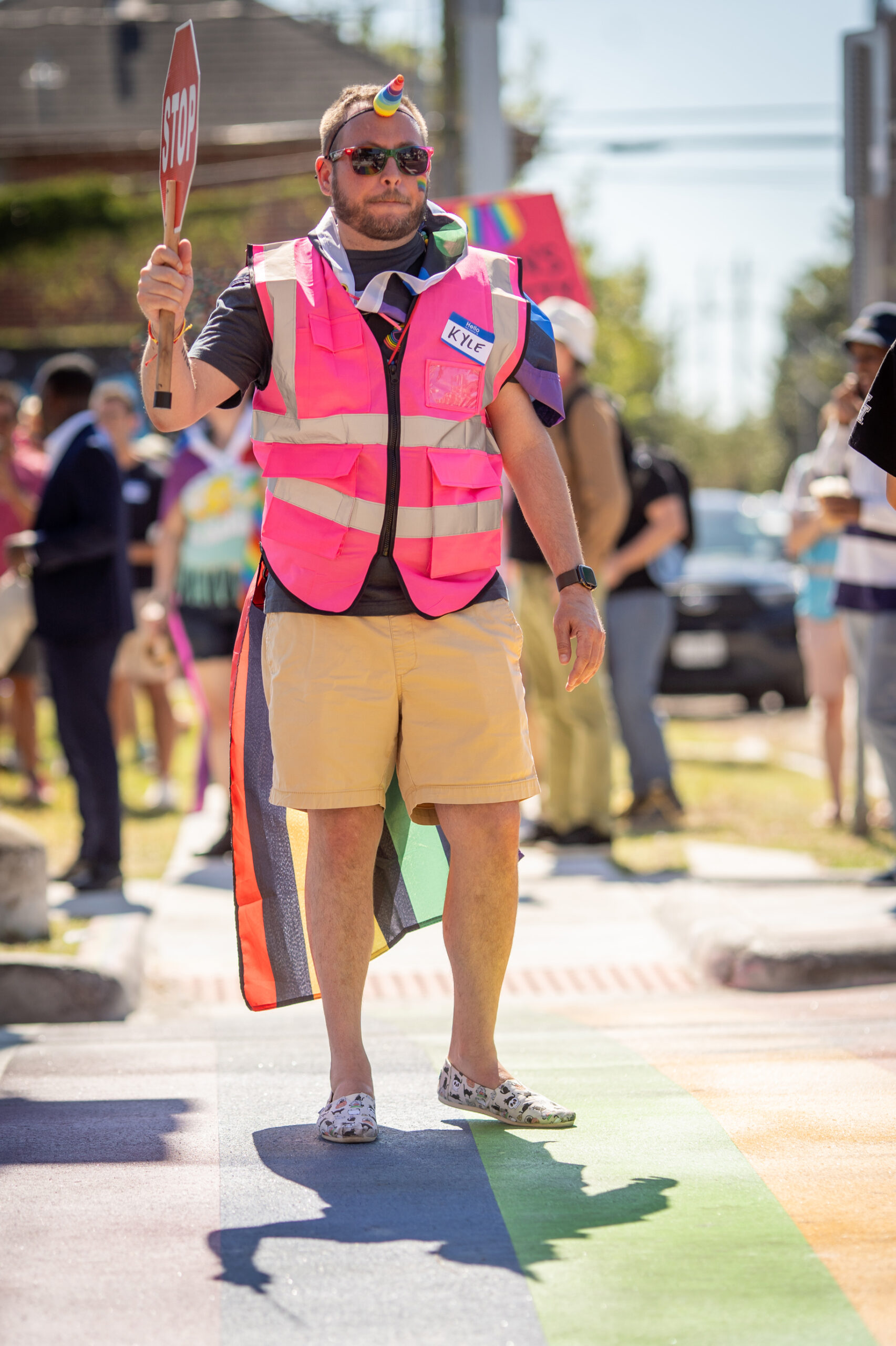
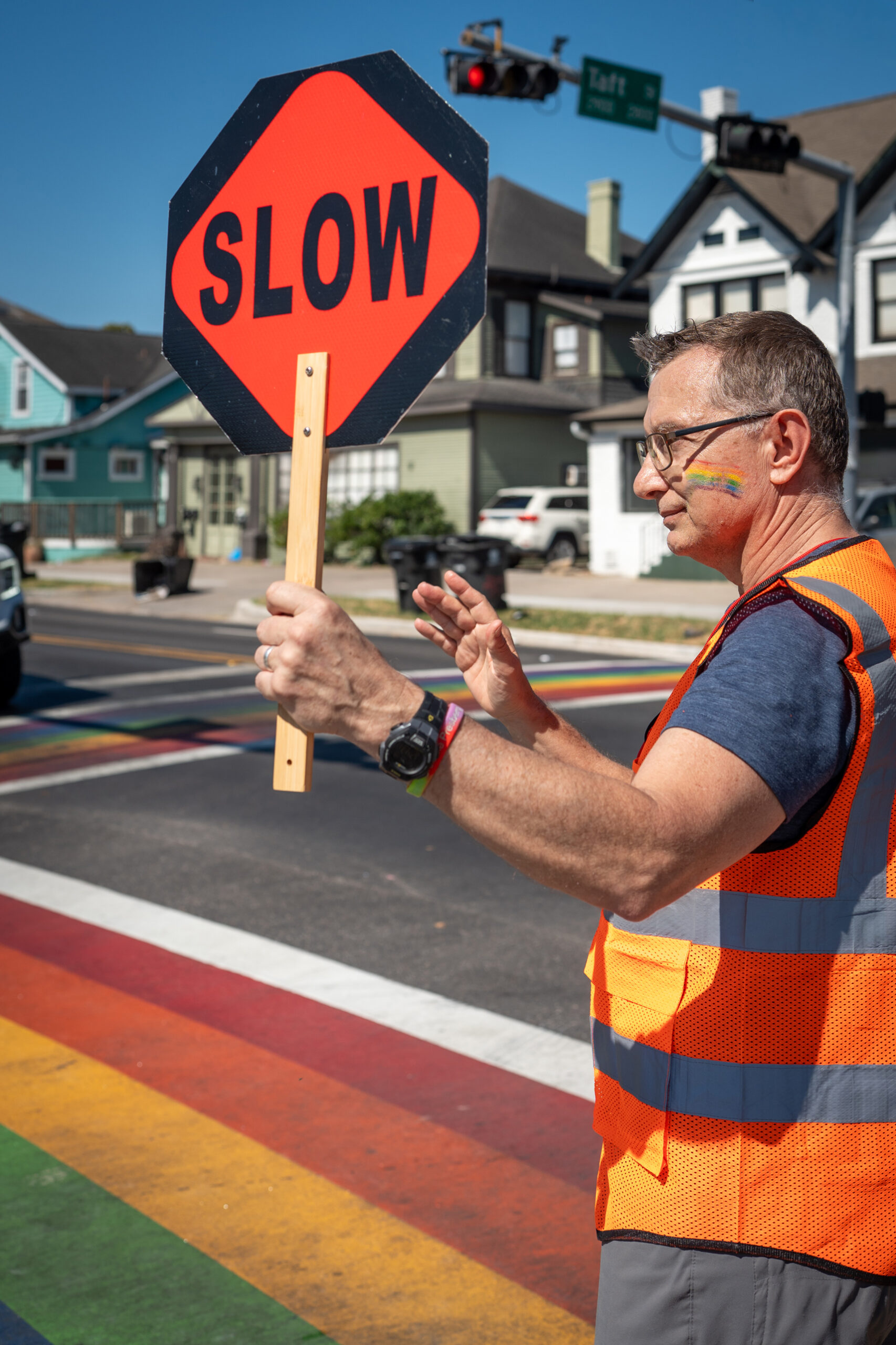
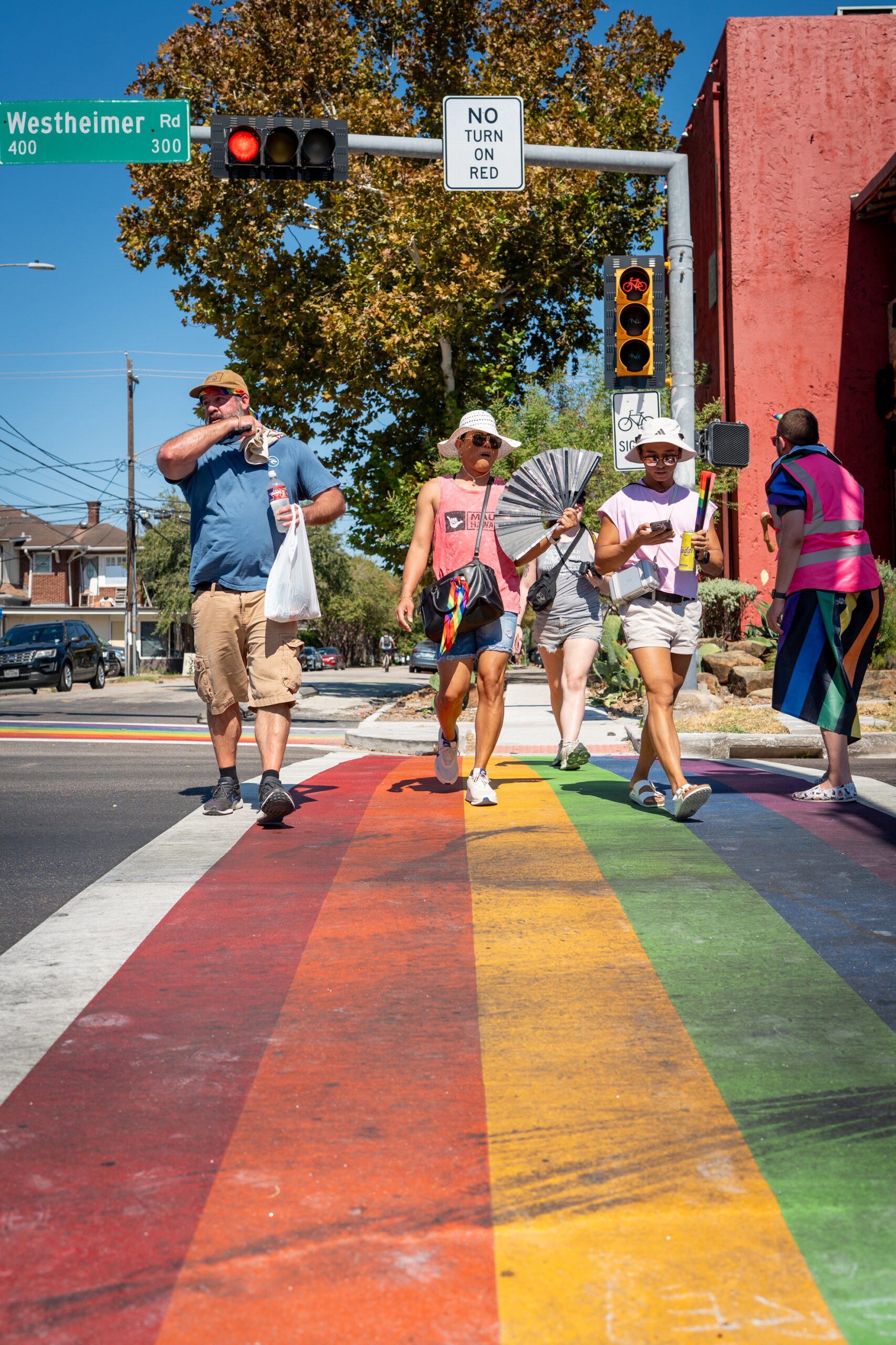
The rainbow-painted crosswalks that have long defined the heart of Houston’s Montrose neighborhood were removed early Monday morning, drawing sharp criticism from residents, local officials, and LGBTQ advocates. The intersection at Westheimer Road and Taft Street—one of the most recognizable symbols of the city’s LGBTQ community—now sits bare, without its signature stripes or new pavement markings as of Tuesday afternoon.
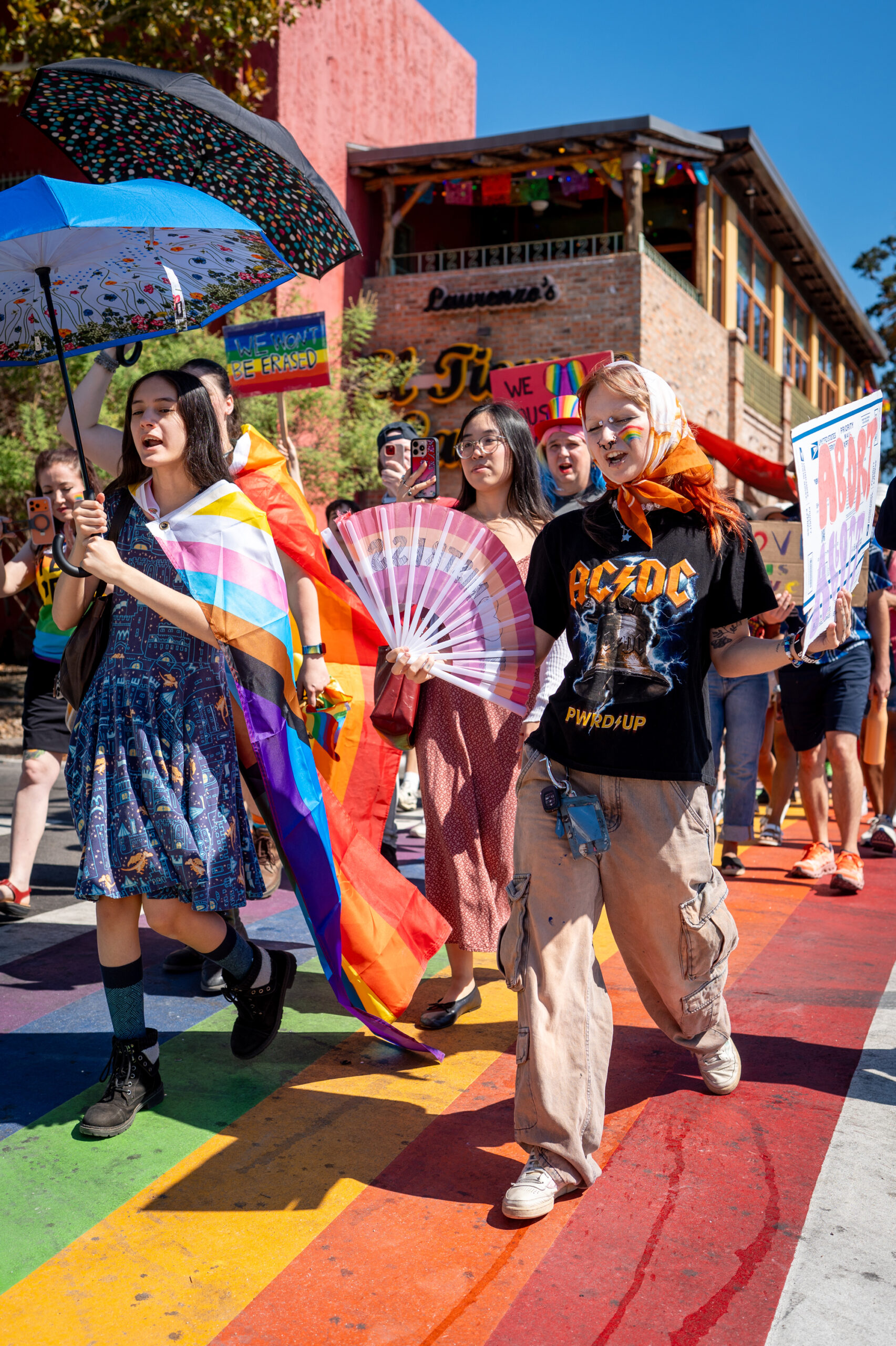
Installed in 2017, the crosswalks were funded by Pride Houston 365 and designed as both a traffic safety feature and a public celebration of Houston’s LGBTQ history. The colorful intersection quickly became an emblem of Montrose, the neighborhood often referred to as the city’s “gayborhood,” long known for its culture of inclusion, activism, and pride.
The removal followed a directive from Texas Governor Greg Abbott warning that cities allowing what he called “social, political, or ideological” markings on roadways could risk losing access to state and federal transportation funding. The Texas Department of Transportation relayed the order to local agencies, including the Metropolitan Transit Authority of Harris County, which oversees the intersection.
Metro officials said the agency acted to bring the site into compliance with federal design and safety standards. In a public statement, Metro acknowledged the crosswalk’s cultural importance but said it would comply with the state’s directive to avoid jeopardizing infrastructure funds.
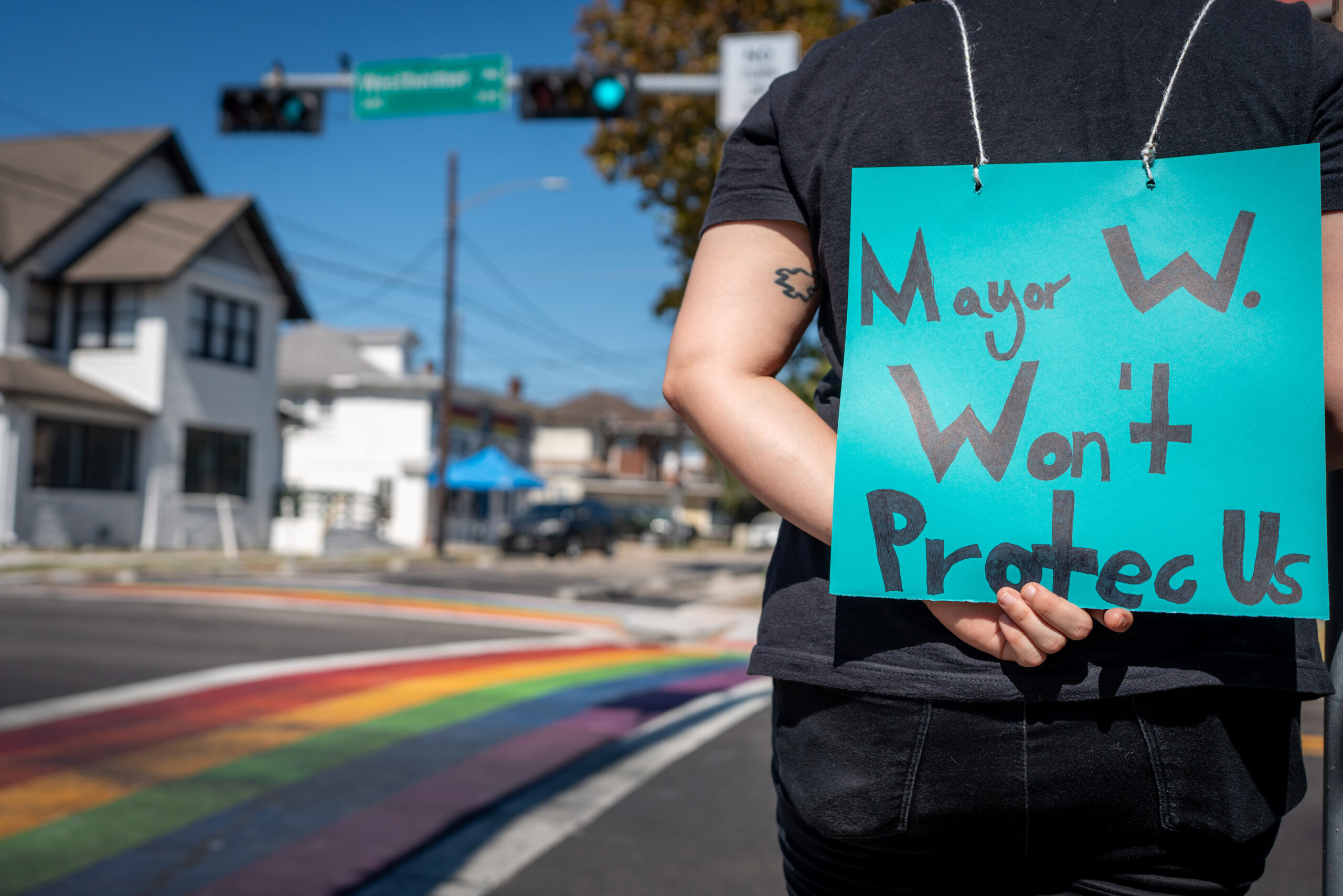
Local leaders quickly condemned the decision. Harris County Judge Lina Hidalgo questioned whether Metro followed proper procedures and said the agency’s actions lacked transparency. Houston City Council Member Abbie Kamin, whose district includes Montrose, said she was not informed in advance and called the sudden removal “deeply disappointing.”
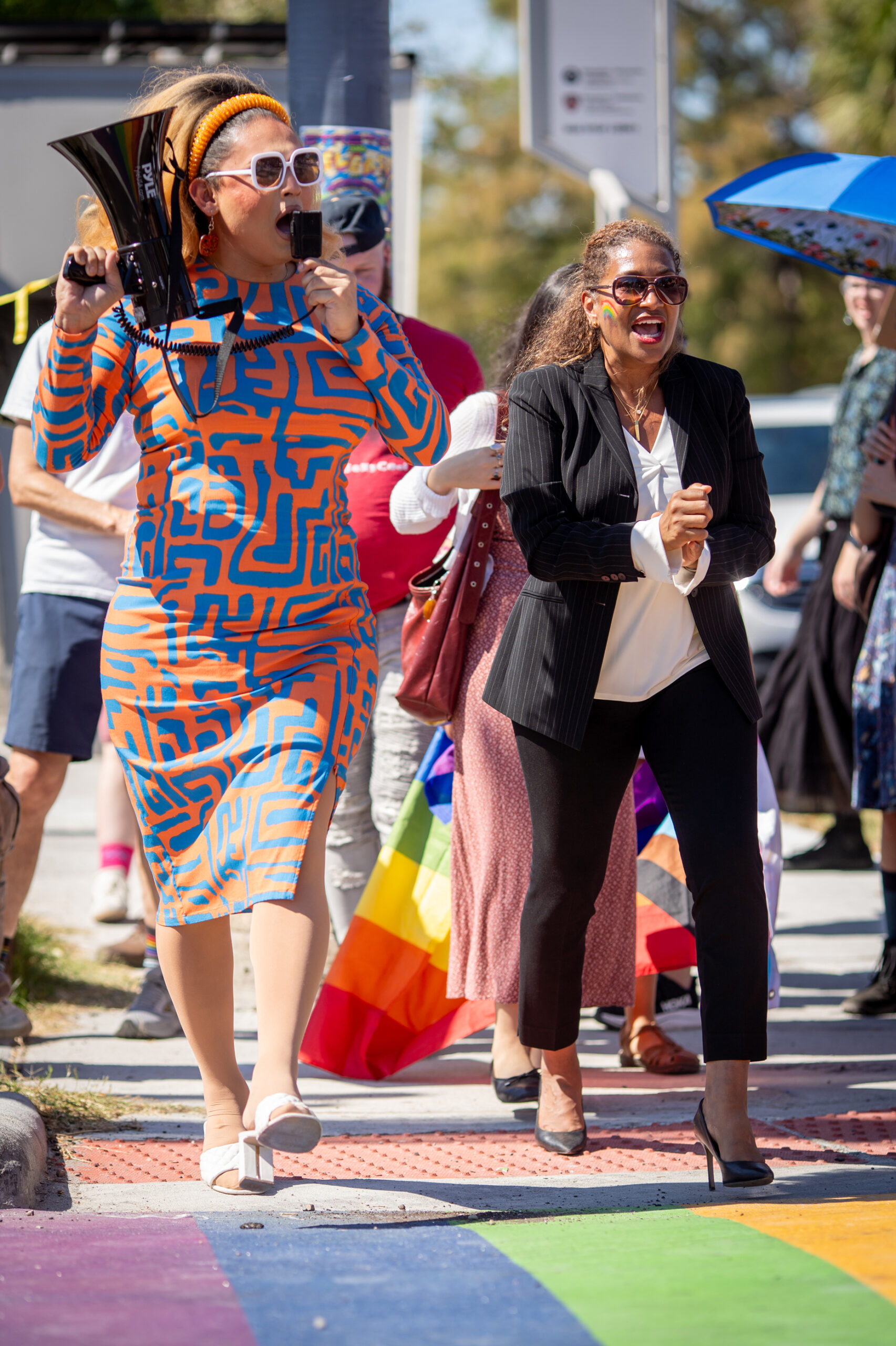
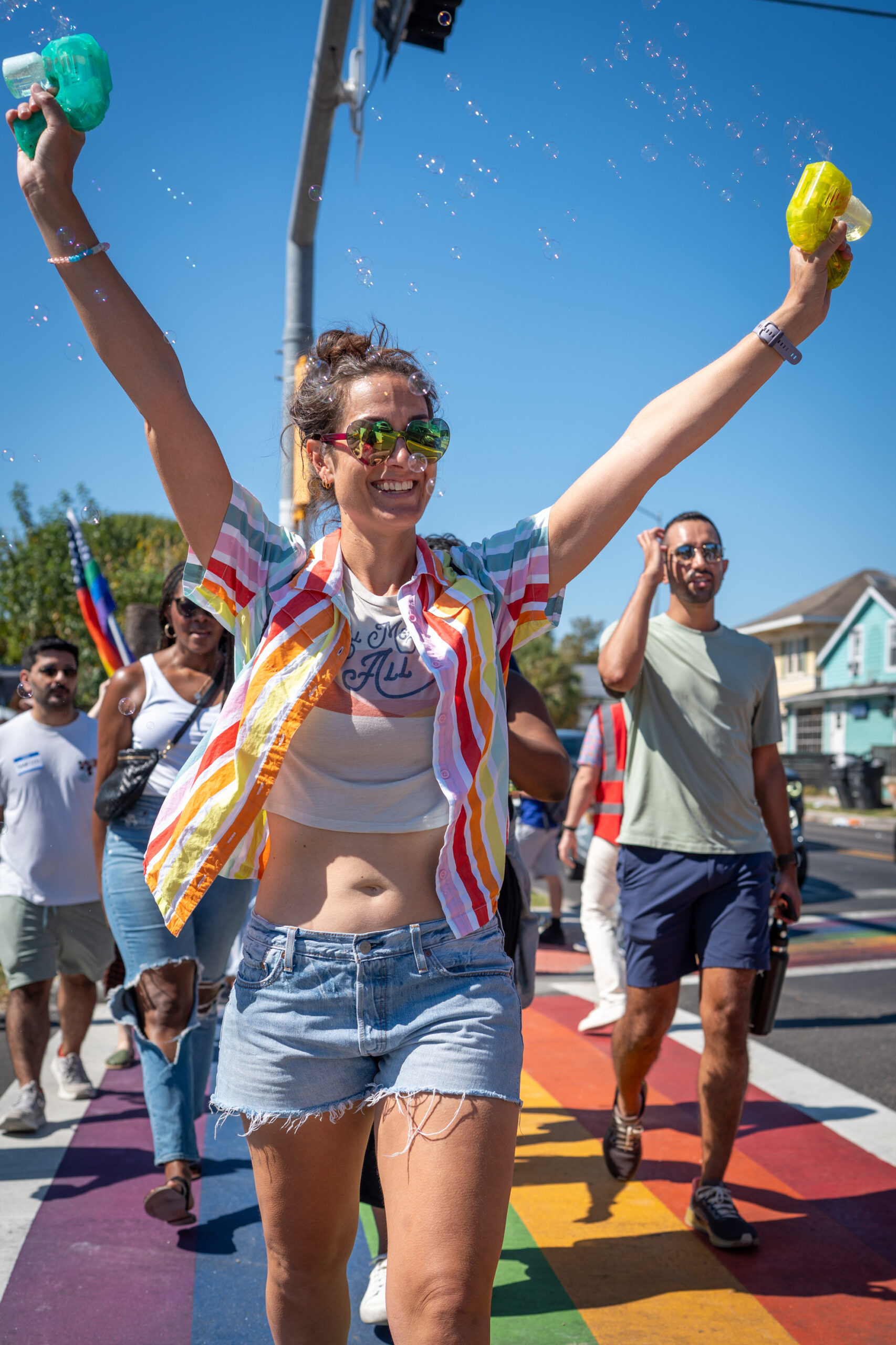
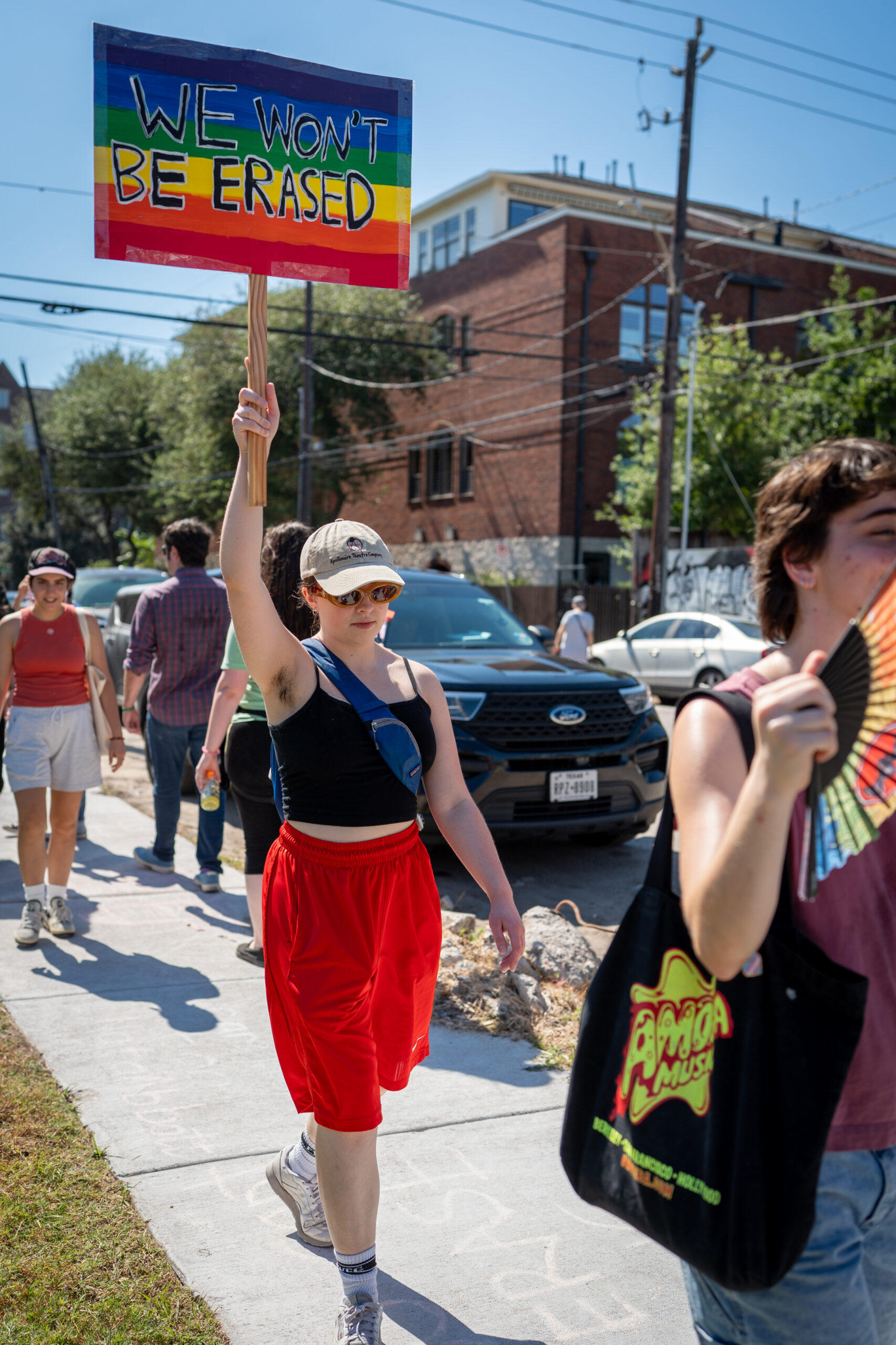
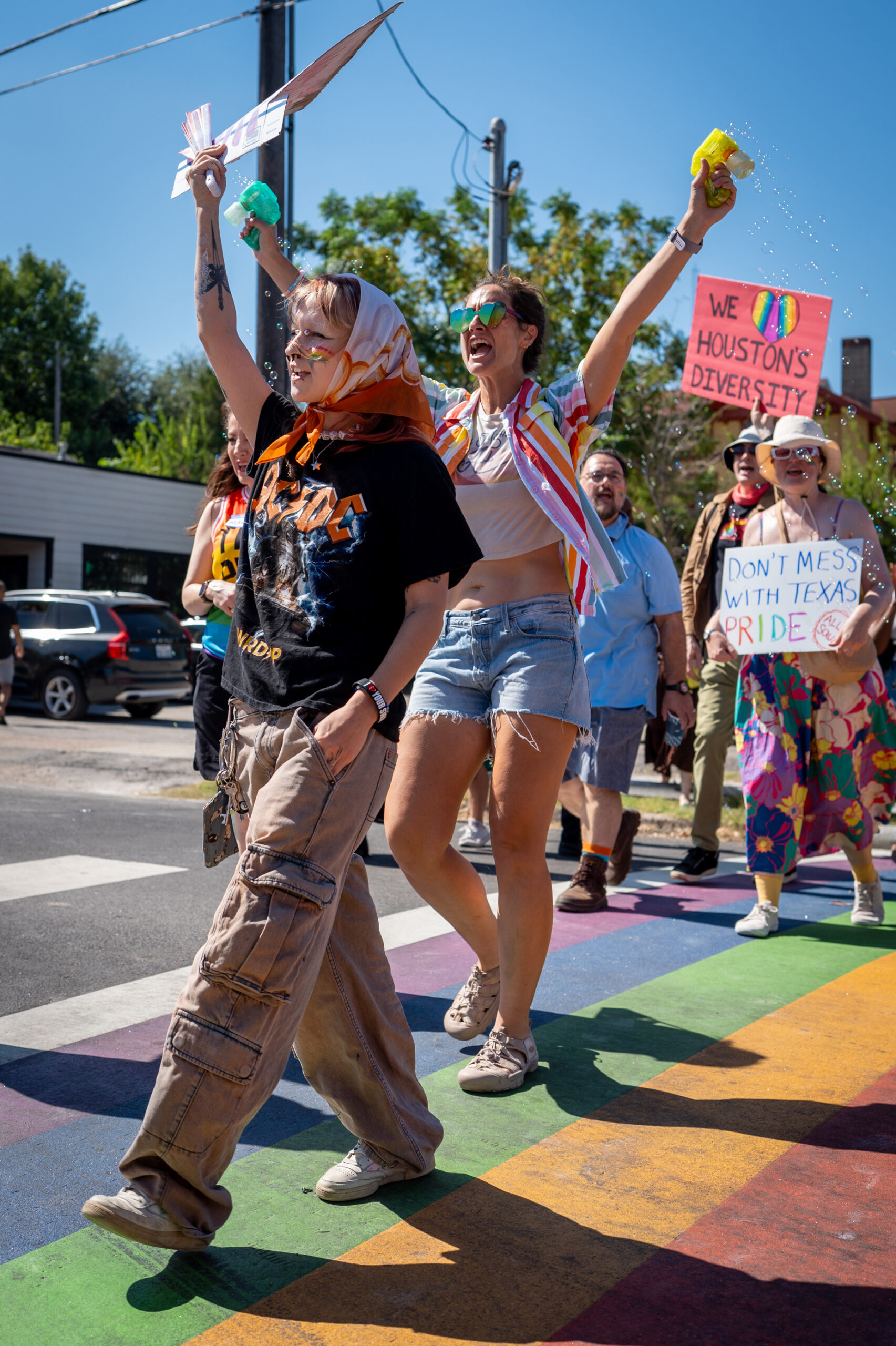
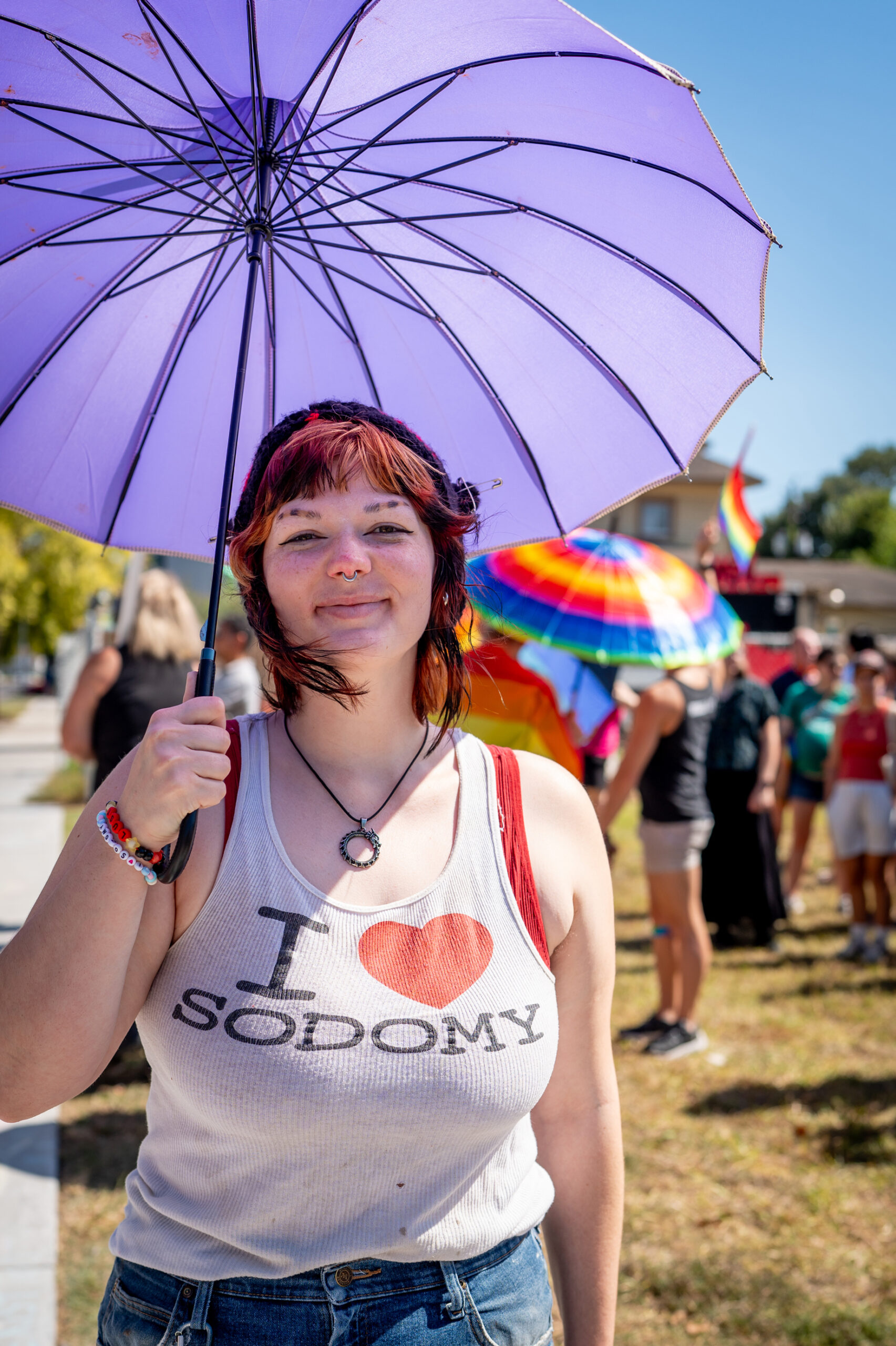
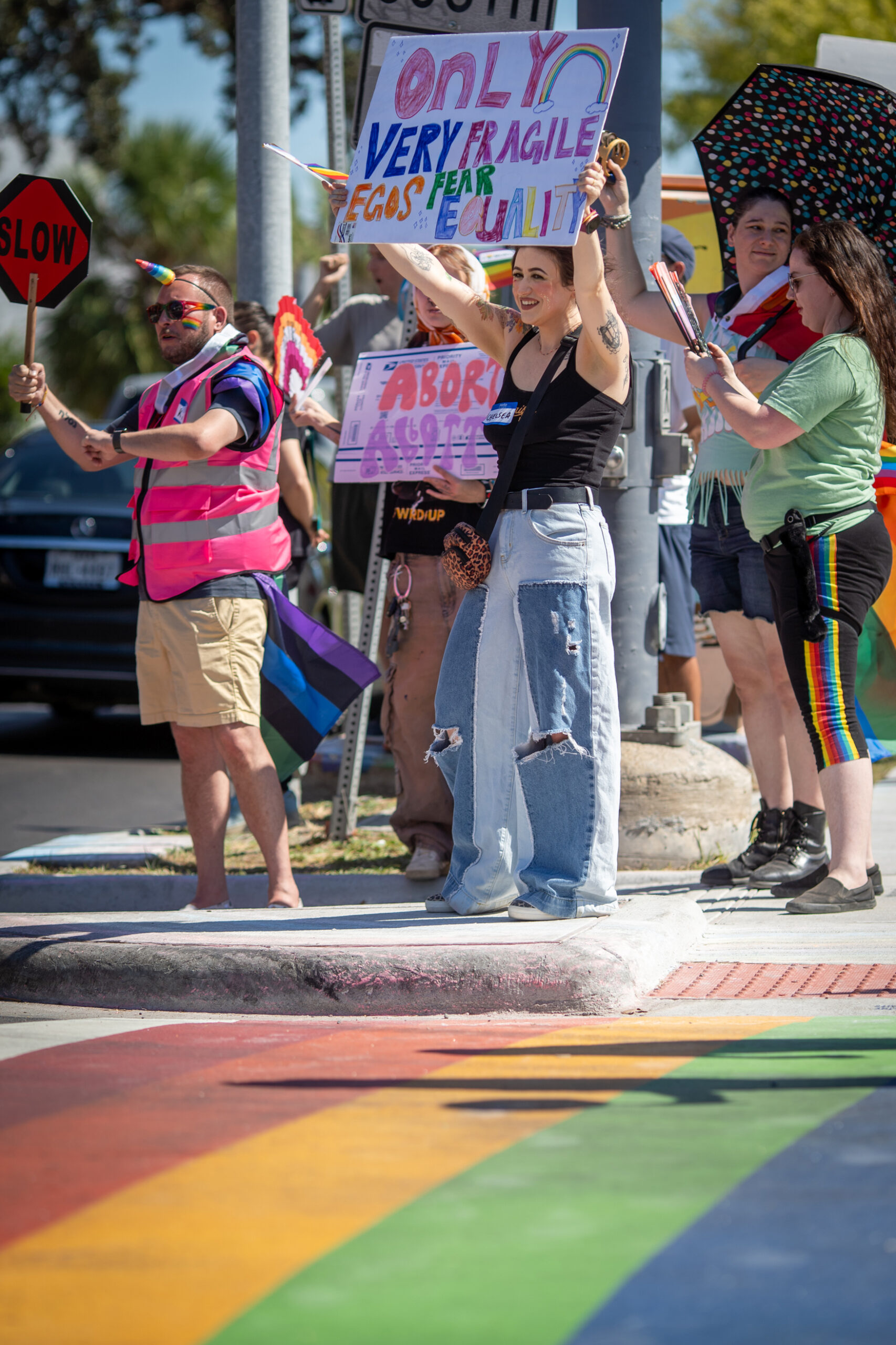
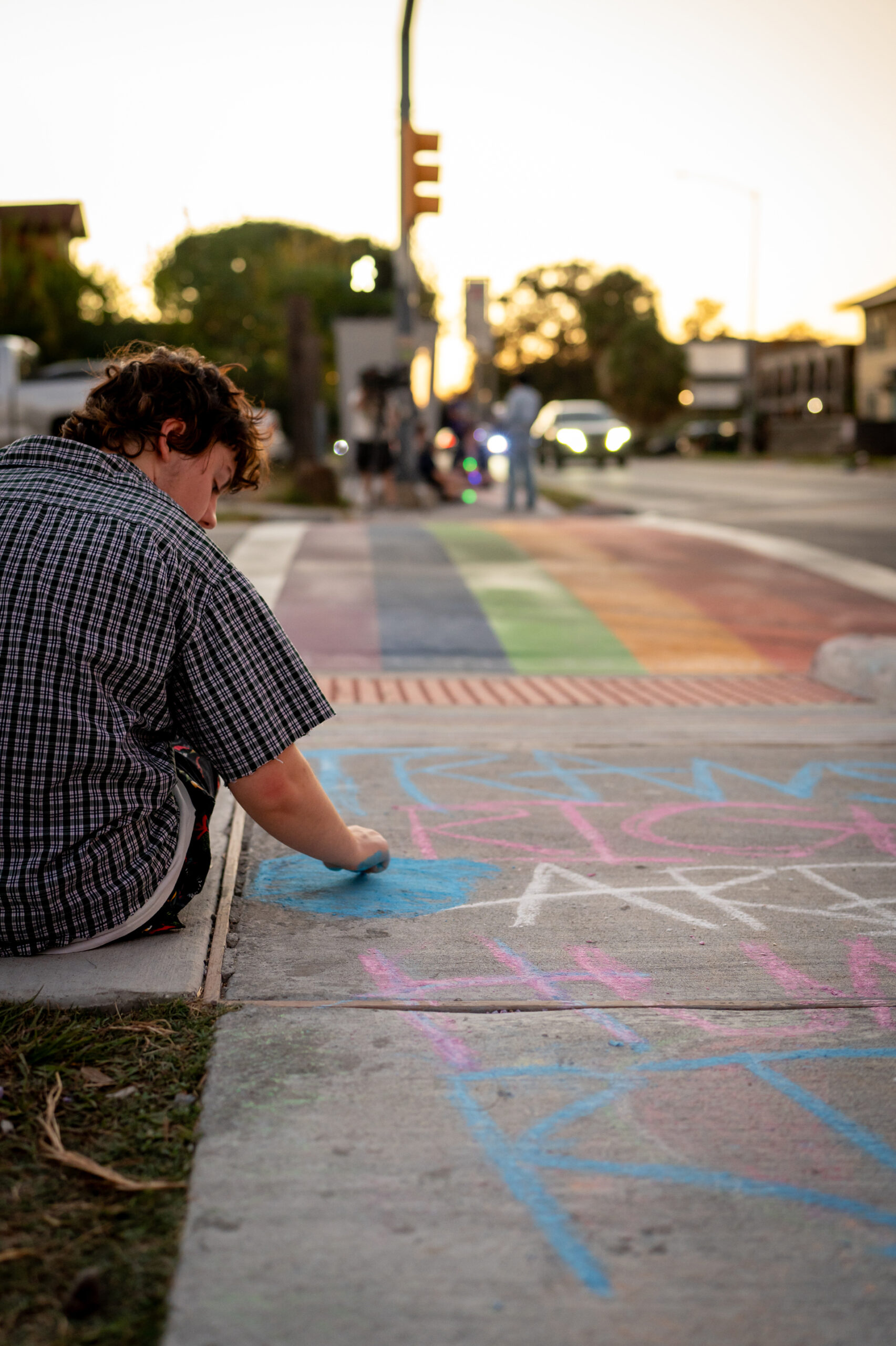
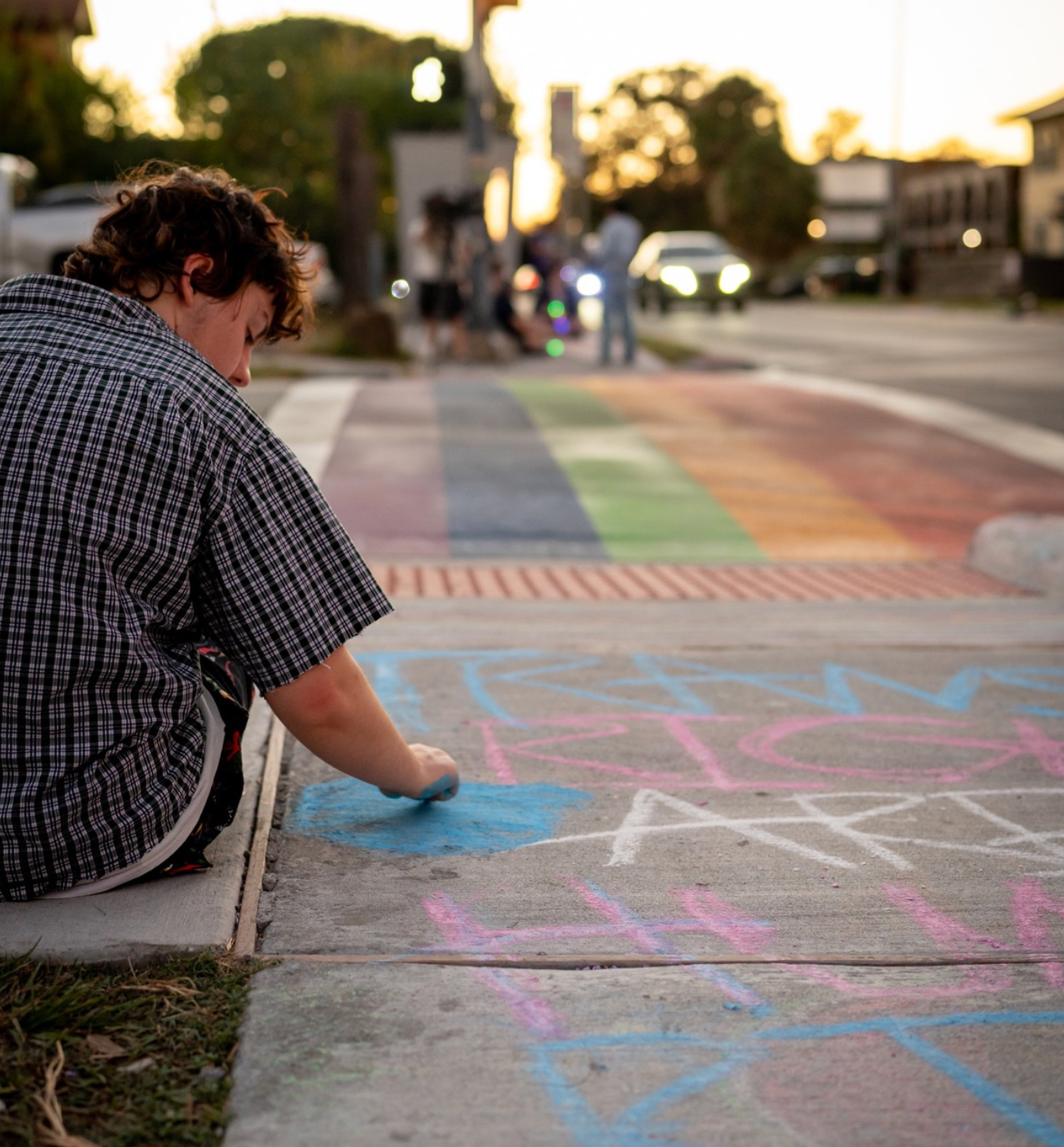
Hundreds of residents gathered at the intersection Sunday night to protest. Demonstrators waved Pride flags, chanted, and created chalk drawings on nearby sidewalks in response to what they viewed as a politically motivated order. Early Monday, four protesters were arrested after blocking the street as work crews arrived.
For many in Montrose, the rainbow crosswalks represented far more than paint. They served as a visual reminder of the neighborhood’s LGBTQ legacy and as a memorial to 21-year-old Alex Hill, who was killed in a 2016 hit-and-run near the intersection. The crosswalks were initially proposed to both honor Hill’s memory and improve pedestrian safety in one of the city’s busiest districts.
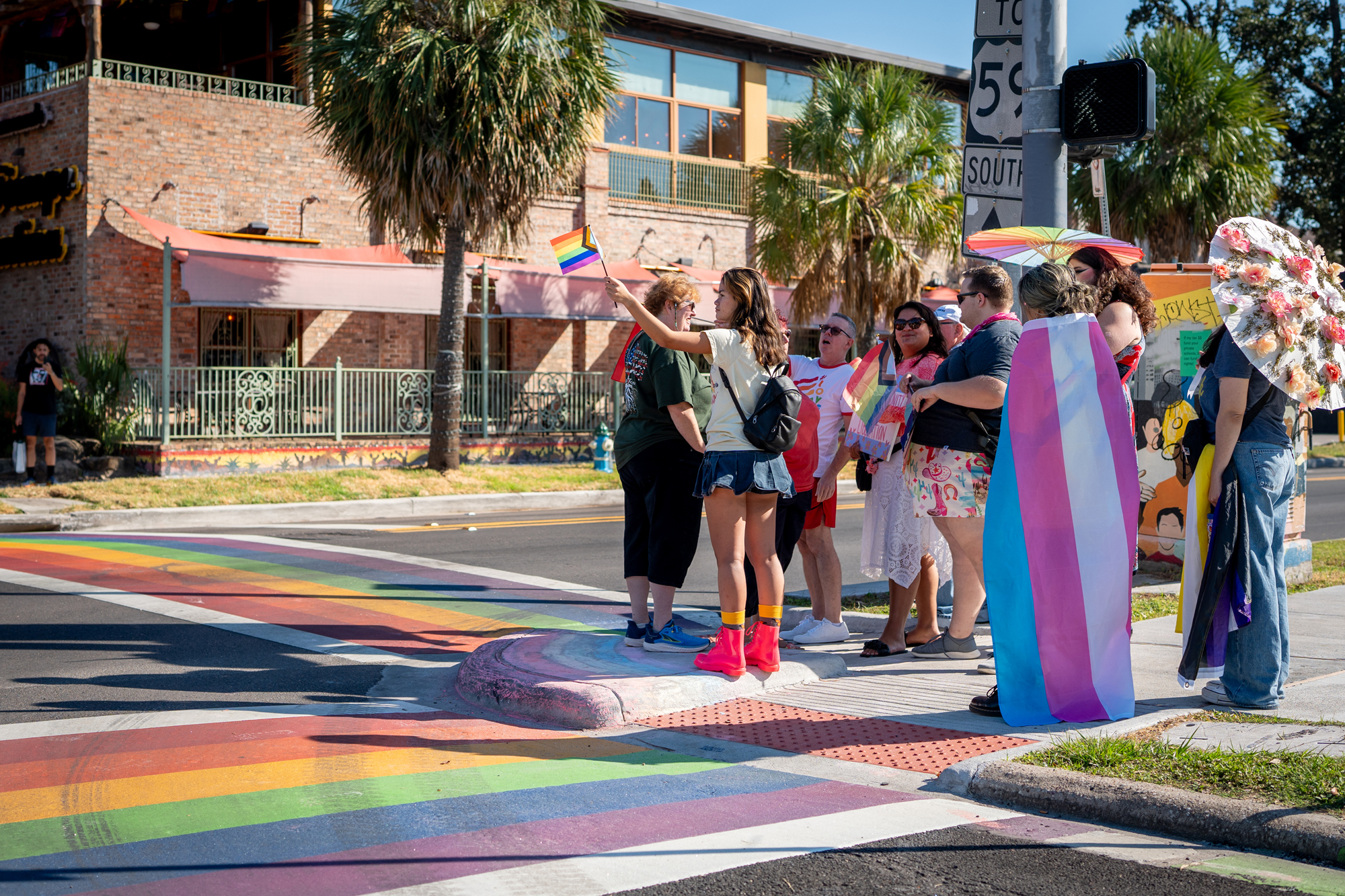
Community groups in Houston are planning further action, including public hearings and legal reviews, signaling that removal of the crosswalk may not be the final word. Simultaneously, some local businesses and neighborhood organizations are exploring alternative forms of rainbow imagery on private property or business fronts to maintain visibility.
As of Tuesday afternoon, the intersection remains unmarked—a literal blank space where color once symbolized community and resilience. For many residents, the absence of the rainbow crosswalks feels less like compliance and more like erasure, underscoring that the fight for visibility in public spaces is far from over.