
Houston LGBTQ History Takes Center Stage in UH Libraries Exhibit
The University of Houston’s We the People exhibit explores the city’s LGBTQ community through rare photos, letters, publications, oral histories, and ephemera from the 1940s to the present.

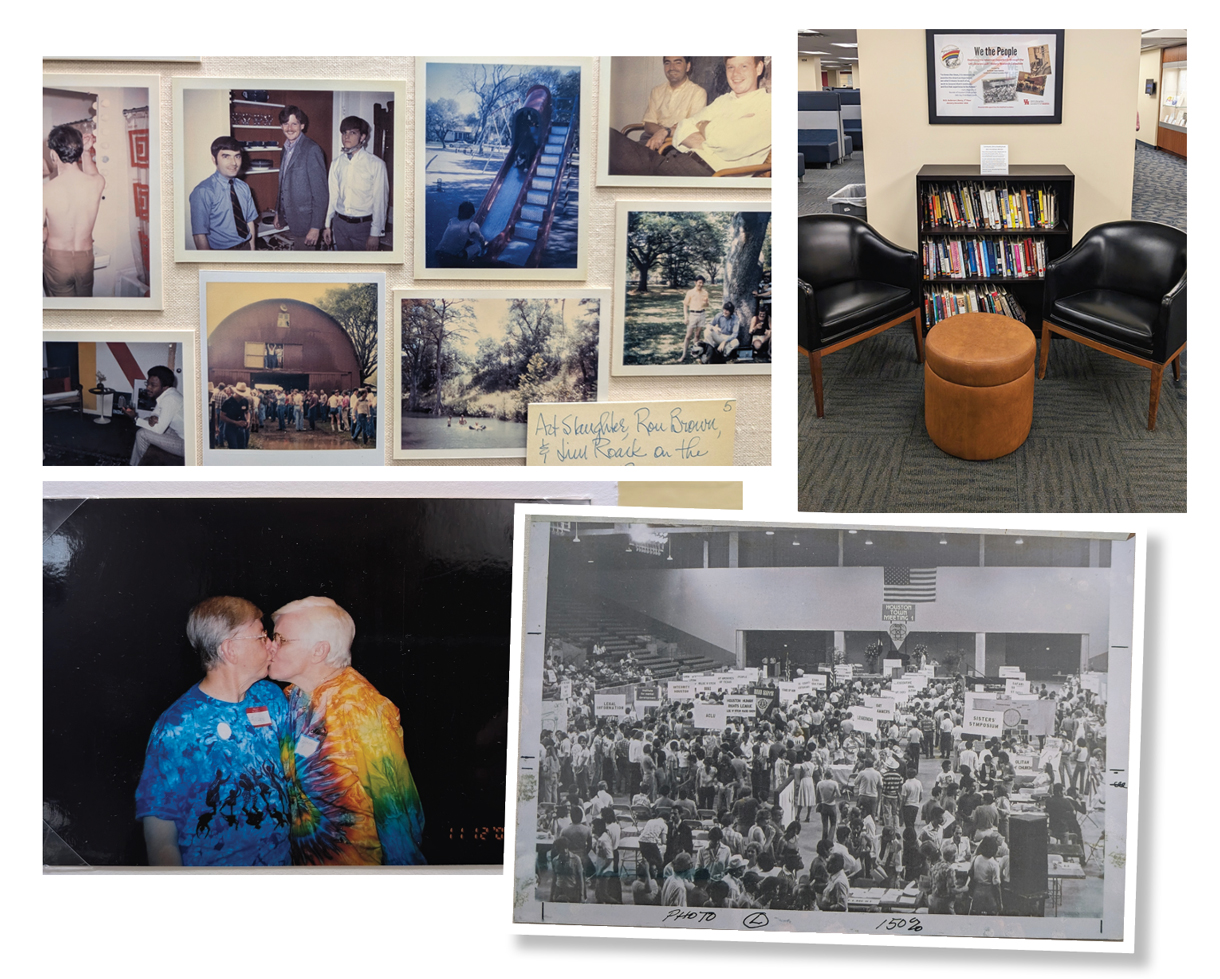
 The University of Houston (UH) Libraries Special Collections is now hosting an exhibit that chronicles Houston’s LGBTQ community from the 1940s to the present day. Titled We the People: Examining the American Experience through the UH LGBT History Research Collection, the exhibit is on the first floor of the school’s M.D. Anderson Library and includes photos, handwritten letters, artwork, newspaper clippings, clothing, and ephemera. It will run through December of this year.
The exhibit has been curated by Joyce Gabiola, a UH alum and professional archivist who oversees the LGBT History Research Collection. Over the past ten years, the collection has expanded significantly as other local archives with limited staffing and funding have entrusted their materials to UH. The Special Collections team has also acquired notable items to further enrich the collection.
Gabiola explains that the exhibit’s theme was inspired by a quote from activist Larry Bagneris Jr. in The Pride Guide 1981, when he served as the Gay Pride Week planning committee chairperson: “In times like these, it is necessary to examine the American Experience, see what it means to each of us, work to [ensure] that it continues, and live that experience to the fullest.”
The exhibit includes eight panels, each highlighting a unique perspective on Houston’s LGBTQ history, often using one-of-a-kind items. A cozy reading nook is also provided, where visitors can browse through books from the LGBT collection.
Initially, Gabiola intended the exhibit’s theme to be about finding joy in the LGBT archives, but soon recognized that the collection also reflects other realities. “There is lightness, but there is also darkness. There is joy, laughter, and triumph, but there is also violence and vulnerability. The exhibit is going to affect you in some way.”

The exhibit begins by presenting LGBTQ history at UH. Pat Gustafson and Mignon Weisinger, both UH students, met on campus in the 1940s and shared a 54-year romantic relationship. Gustafson became a notable doctor and medical researcher, while Weisinger was a celebrated artist. The couple spent their lives in Houston and Galveston.
The next panel delves into the 1978 Town Meeting 1 and the issue of privacy. After the historic local event, Upfront, a publication of the era, printed photos of the crowd that packed the Astroarena. Concerned about being outed and potentially losing custody of their children, a group of lesbians organized to surreptitiously obtain the negatives and then stored them in a safe deposit box. A community town hall was held, but Upfront never regained access to the negatives.
The exhibit includes selections from a collection of 9,700 Polaroids and slides documenting nearly 30 years in the lives of a Montrose throuple, who lived together from the late 1960s to the early 1990s. The photos capture their social circles, gatherings, vacations—and their dog, Max. The trio lived near Cherryhurst Park and meticulously labeled their photos with dates and names. “It’s an archivist’s dream,” Gabiola says.
Another panel highlights the papers of mental-health activist C. Patrick McIlvain. His mother, Annella Harrison, established the first support group for parents of LGBTQ individuals in the late 1970s, which eventually became PFLAG Houston. Photographs show both McIlvain and Harrison in military uniforms, reflecting their service to the nation.
One display features a letter written by a PFLAG mom to the governor of Alabama, protesting his cancellation of an LGBTQ conference at the University of Alabama. A copy of the governor’s response shows that, although he respected her love for her gay son, his mind would not be changed.
Arden Eversmeyer, renowned for her years of activism with LOAF (Lesbians Over Age Fifty) and her efforts to compile an oral history collection of lesbian lives, is shown with her longtime partner Charlotte Avery. The exhibit also displays letters Avery sent to her family, coming out to them. Her nephew and sister responded with supportive letters, although it took time for them to process the news.
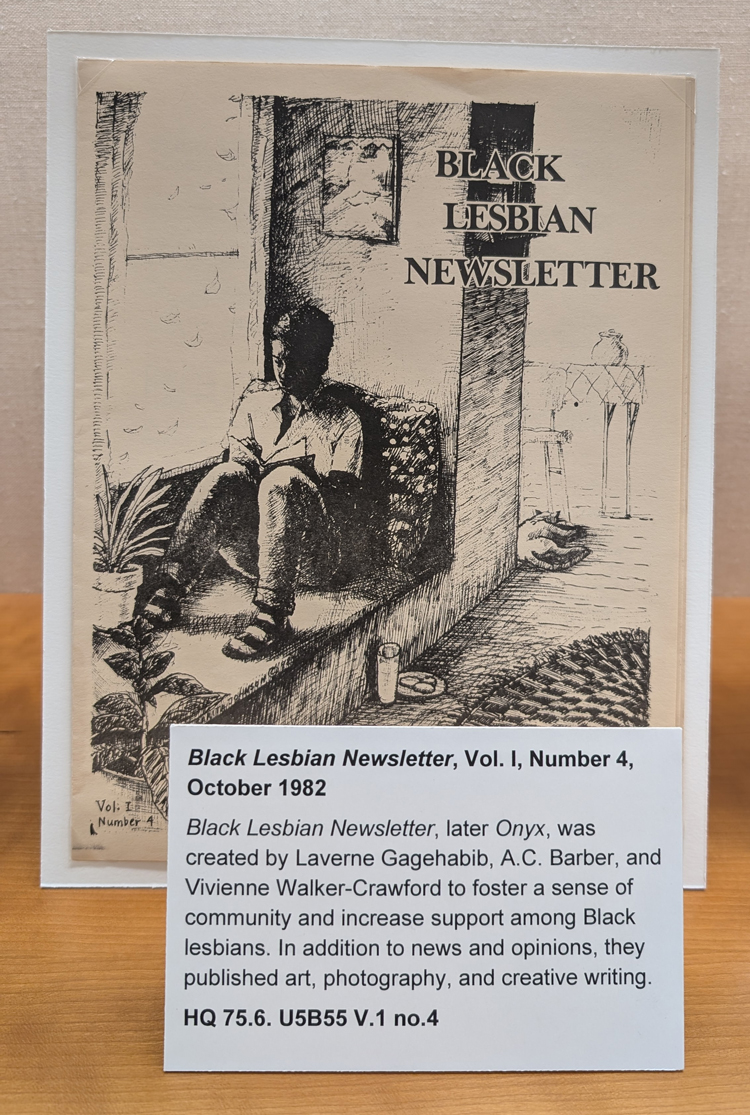
Another section is devoted to lesser-known publications, including women’s and lesbian-focused works, some of which are quite rare. Gabiola points out a publication about drag and a community newsletter by Black lesbians.
The exhibit also covers a range of organizations, from obscure groups to well-known ones. One panel highlights the Astro Radio Alliance of the Deaf, the International Gay Rodeo Association, Asians and Friends Houston, and the Diana Foundation, the oldest continuously operating gay organization in the United States, founded in 1953.
An email from a member of the local Log Cabin Republicans is presented, revealing that the writer intends to vote for Democrat Sheila Jackson Lee. Gabiola emphasizes that this is an example of the nuances and diversity of opinions within the community.
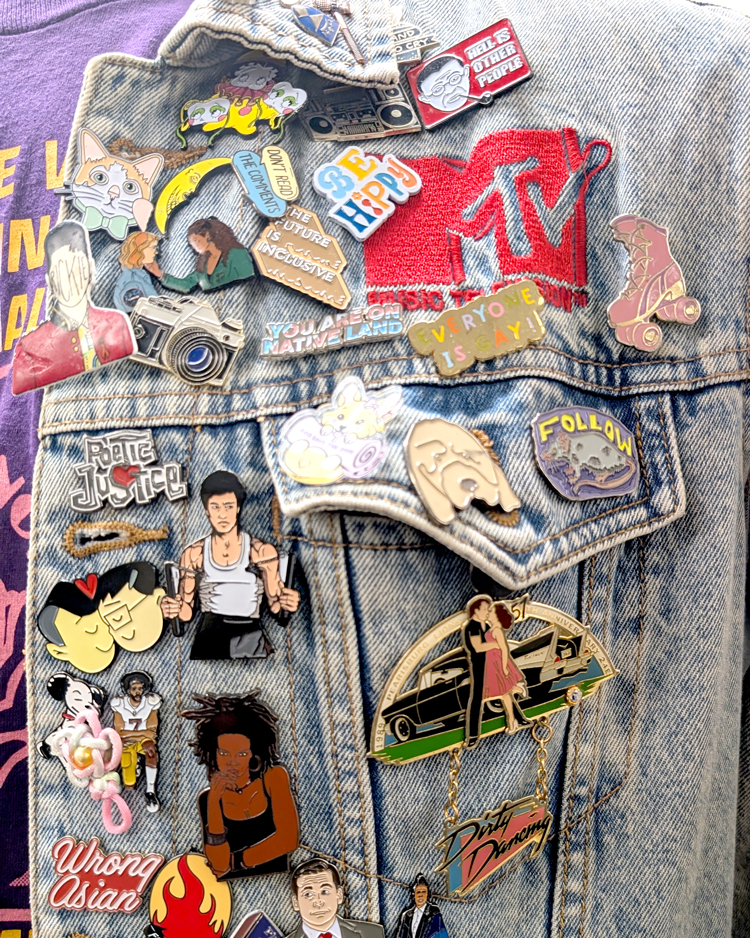
Among the other items visitors will encounter is a denim jacket adorned with numerous enameled pins and buttons. The jacket belonged to a Queer, Asian, biracial, nonbinary writer who was raised in Houston and graduated from UH. The exhibit also features a playful Gay Monopoly board game, which includes a card representing the Diana Foundation.
The tragic 1991 murder of 27-year-old banker Paul Broussard by young gay bashers from The Woodlands is examined. An OutSmart cover story titled “Anatomy of Hate” discusses the incident. News clippings mention Queer Nation and Q Patrol, two organizations that organized in response to the murder.
The final panel features a poem written by a graduate student who researched the Fundación Latinoamericana de Acción Social, an organization for Hispanic communities that promotes AIDS education. The student also reviewed various transgender and queer zines, and their research culminated in the poem.
A student intern reviewed a book from the archives titled God Made Us: Even If We’re Gay. He then wrote a blog post about the book, and the exhibit displays an emotional excerpt from that post.
Gabiola notes that student response to the exhibit has been meaningful. Those who helped assemble it gained not only new knowledge about the community, but also insights about themselves. A graduate student, a curatorial assistant, and an intern each interacted with the archives in their own unique ways.
The Community Libraries Reading Nook offers two seats, ottomans, and a bookcase filled with books from the LGBT collection, which visitors are welcome to peruse.
A large video screen in the library promotes the exhibit and features clips from the 1990s TV Montrose show and the Cougar Rainbow History Collection of video oral histories.
Christian Kelleher, the director of exhibitions and external relations for UH Libraries, reflects on the exhibit: “True to its name, the We the People exhibit really centers the personal experience—of the exceptional and the mundane, the singular and the collective—represented in the archives of UH Libraries’ LGBT History Research Collection. The exhibit challenges visitors to think about how these unique primary sources and the stories and histories they represent impact the research and learning that happens at the university.
“It offers a small window and a view into why preserving archives like these matters to understanding our society, and to how that understanding can be created and recreated by working with historical archives. Exhibit curator Joyce Gabiola has presented a complex story that sparks reflection on not only the history depicted, but the processes through which that history is studied and documented. It is both scholarly and personal, like the archival collections it represents.”
What: We the People: Examining the American Experience through the UH LGBT History Research Collection
When: Now through December 31, 2026
Where: M.D. Anderson Library, 4333 University Drive
Info: tinyurl.com/librariesuh