

Netherlands Swears In First Openly Gay Prime Minister
Rob Jetten takes office after forming coalition governmentjetten-gay-prime-minister.

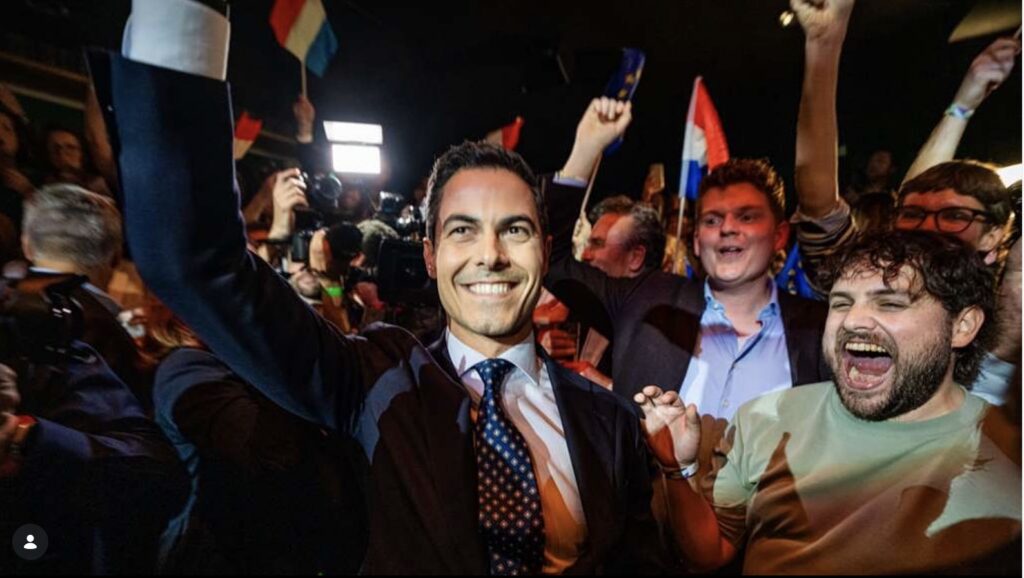
Rob Jetten was sworn in today as prime minister of the Netherlands, becoming the country’s first openly gay head of government and ushering in a new chapter in Dutch politics.
At 38, Jetten is also the youngest prime minister in modern Dutch history. The leader of the centrist, socially liberal Democrats 66 party, commonly known as D66, took the oath of office in The Hague after months of coalition negotiations that followed a closely watched national election. His ascent reflects both the fragmented state of Dutch politics and the growing influence of a new generation of leaders.
Jetten’s inauguration carries undeniable symbolic weight. The Netherlands was the first country in the world to legalize same-sex marriage in 2001, cementing its reputation as a global pioneer in LGBTQ equality. Yet until now, no openly gay politician had led the Dutch government. Jetten has been open about his sexuality throughout his career, speaking candidly about growing up gay in a small town in the southern province of North Brabant and the role visibility can play in expanding opportunity.
For many LGBTQ observers, his swearing-in represents more than personal achievement. Openly LGBTQ heads of government remain rare worldwide. Jetten now joins a small group of out leaders who have reached the highest levels of national power, reinforcing how representation has expanded in European politics over the past two decades.
At the same time, Jetten’s leadership is defined by far more than his identity. A trained public administrator, he entered parliament in 2017 and quickly rose through the ranks of D66. He became party leader in 2018 and later served as minister for climate and energy, where he oversaw key elements of the Netherlands’ transition toward renewable energy and emissions reduction.
Climate policy remains one of the country’s most contentious issues. The Netherlands has faced mounting pressure to reduce nitrogen emissions, leading to fierce protests from farmers who argue that environmental regulations threaten their livelihoods. As prime minister, Jetten will need to balance climate commitments with economic realities in a country where agriculture remains a powerful political force.
Housing is another urgent concern. The Netherlands is grappling with a severe housing shortage that has driven up rents and home prices, particularly in major cities such as Amsterdam, Rotterdam, and Utrecht. Addressing affordability while maintaining environmental standards and managing population growth will test the durability of his coalition.
Immigration and asylum policy also loom large. Like many European nations, the Netherlands has experienced increased polarization over migration. Jetten has advocated for humane and coordinated European approaches, but he will face pressure from parties on the right calling for tighter restrictions.
On the international stage, the Netherlands plays an influential role within the European Union and NATO. Jetten is expected to maintain strong support for Ukraine and continued cooperation within the EU, aligning with the Netherlands’ longstanding pro-European orientation.
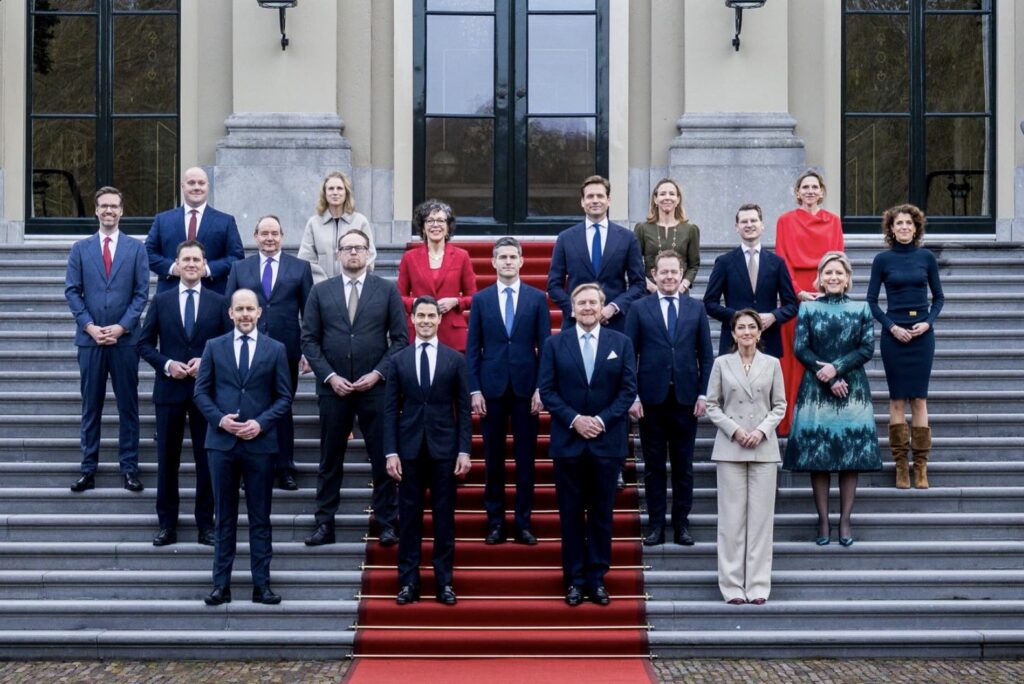
Dutch politics has become increasingly fragmented in recent years, with voters spreading support across a wide array of parties. Coalition governments are the norm, and compromise is essential. Jetten’s reputation as a pragmatic negotiator and consensus builder may prove critical in holding together a diverse governing alliance.
His swearing-in also signals a generational shift. Much of Dutch political leadership over the past decade was shaped by older, more established figures. Jetten represents a cohort of younger politicians who have grown up in a more socially liberal and digitally connected Europe. His communication style tends to be measured and policy-focused, though he has not shied away from speaking forcefully on issues such as democratic norms and equality.
While the Netherlands remains one of the most LGBTQ-friendly countries in the world, debates over identity, religion, and cultural integration have grown more pronounced. Jetten has consistently defended equal rights protections, framing them as foundational to Dutch democracy rather than niche concerns.
For LGBTQ communities at home and abroad, the image of an openly gay prime minister taking office in a founding member of the European Union sends a powerful message. It underscores how representation has moved from symbolic breakthrough to normalized leadership in parts of Europe, even as rights face pushback elsewhere.
As he begins his tenure, Jetten faces an agenda crowded with economic, environmental, and social challenges. His ability to navigate coalition politics while delivering tangible progress will define his time in office.
For the Netherlands, his swearing-in marks both continuity and change: continuity in its commitment to liberal democratic values, and change in the face of a new generation stepping into power.