
1776-2026: The Moments That Defined Lesbian, Gay and Bisexual Rights in America
A timeline of the battles, breakthroughs, and setbacks that shaped LGBTQ life in the U.S.

As America gets set to celebrate its 250th birthday on July 4, here’s a timeline of some of the most noteworthy events that have shaped the gay rights movement. Originally published June 20, 2026 on Uncloseted Media | Produced in partnership with hankycode, an LGBTQ+ history publication.
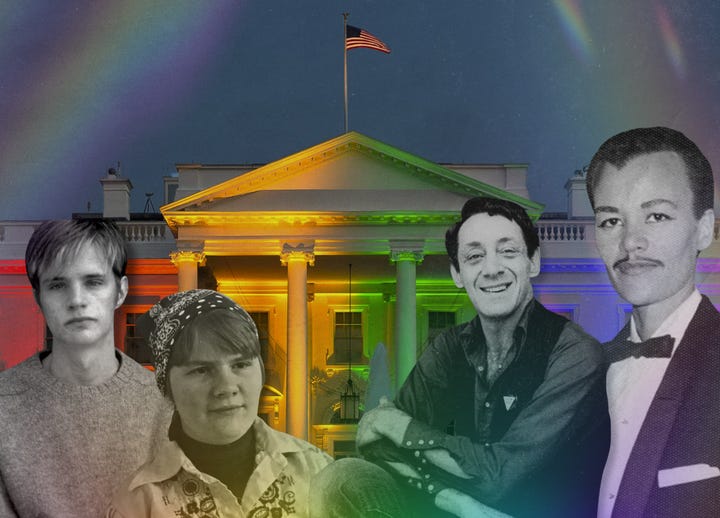
Since the U.S. was founded in 1776, visibility of the lesbian, bisexual and gay communities has increased. Though progress has not been linear, this timeline of key events explores how rights related to politics, healthcare, military service and marriage have developed over time and brought us to where we are today.
1776
Before the United States is founded, people who live in the colonies are often subjected to laws that make sodomy, or gay sex, a capital offense.
1786
Pennsylvania is the first state to pass “An Act Amending the Penal Laws,” which states that those convicted of “robbery, burglary, sodomy, or buggary” would no longer be killed and instead would forfeit their lands, goods and servitude for a term “not exceeding ten years.”
1804
When the U.S. is first created, many early states and colonies, including Ohio, inherit common law sodomy statutes from England. Shortly after Ohio’s statehood in 1803, the laws are repealed, effectively legalizing sodomy for just six weeks before they are enacted again. For years, the policy goes back and forth, causing confusion.
1924
Henry Gerber launches the Society for Human Rights, the first known gay rights organization in the U.S. The group’s goal is to combat prejudices against the gay community and support those who are being discriminated against. While the organization only lasts a year before Gerber and several other members are arrested for deviancy, it marks the official beginning of gay rights organizations in America.
1950
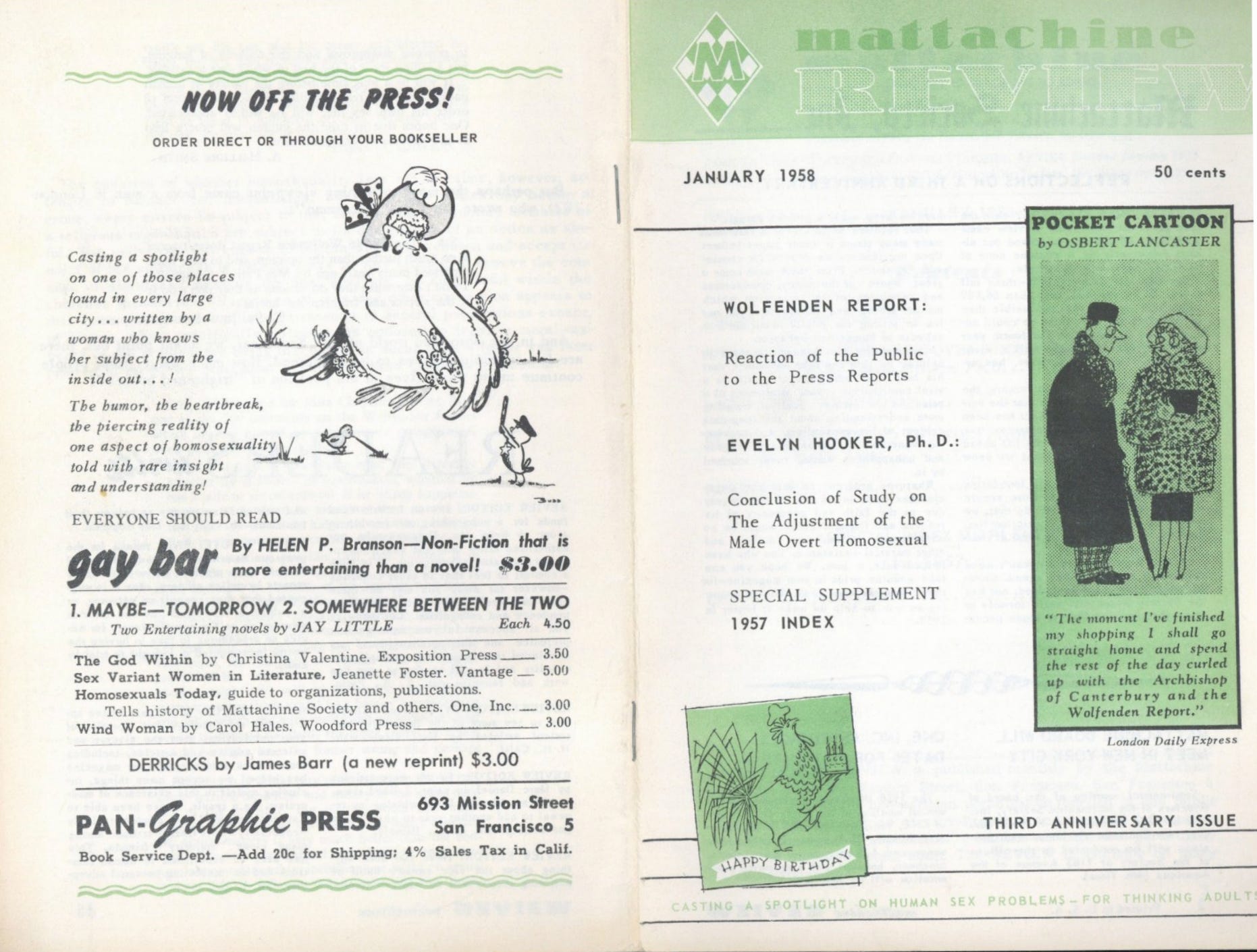
Harry Hay launches the Mattachine Society, which goes on to be a prominent group in the Homophile Movement, a pre-Stonewall era term used to refer to homosexual or LGBTQ rights groups. In 1955, the society begins publishing the Mattachine Review, a periodical which includes articles that pose questions about homosexual identity.
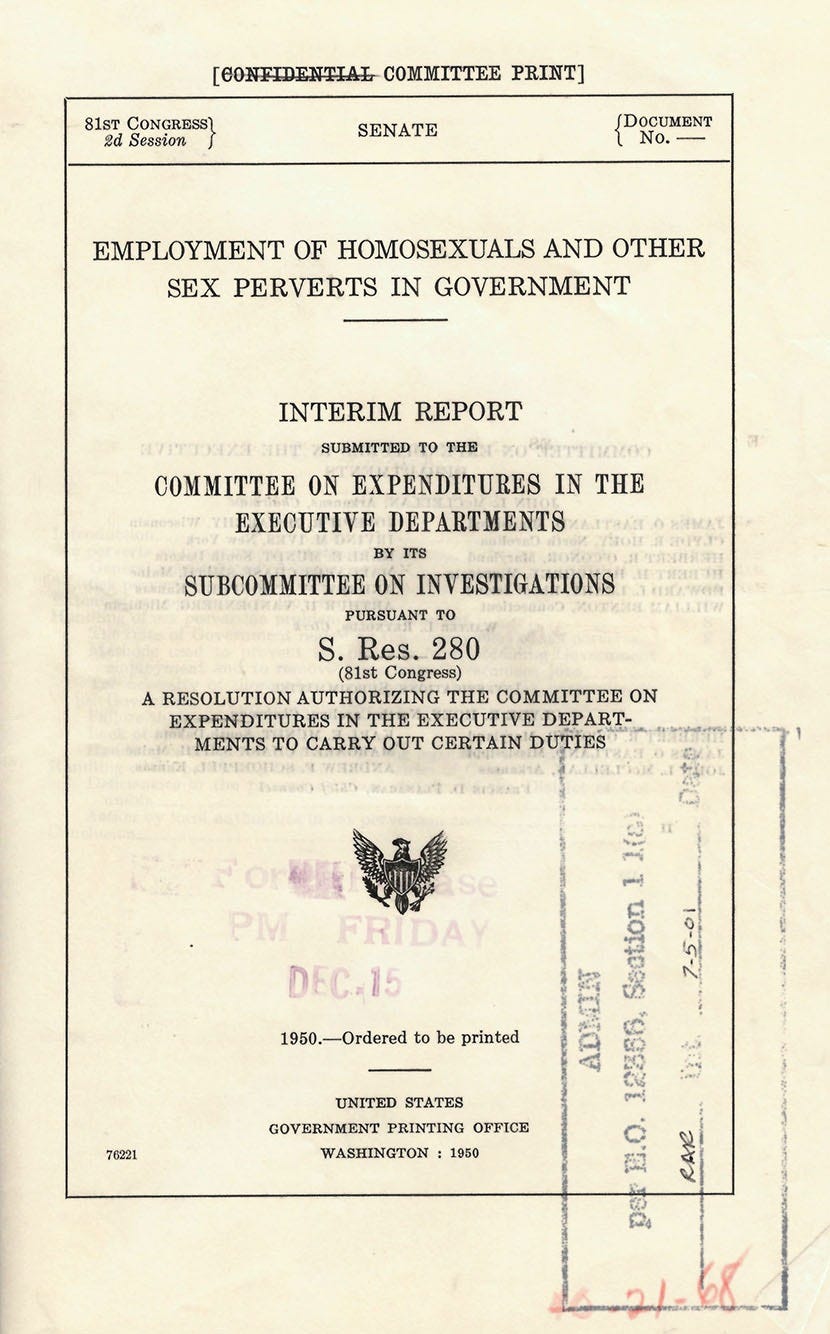
Also in 1950, a Senate report titled “Employment of Homosexuals and Other Sex Perverts in Government” is distributed to members of Congress, stating that those who engage in homosexuality are “unsuitable for employment in the Federal Government.” This report is an early move in the “Lavender Scare,” which leads to thousands of gay employees being fired or forced to resign.
1952
The American Psychiatric Association (APA) publishes its first edition of the Diagnostic and Statistical Manual of Mental Disorders (DSM). In it, they claim that homosexuality is a sociopathic personality disturbance.
1953
President Dwight Eisenhower signs executive order 10450, which bans homosexuals from all federal government work. The order continues to fuel the Lavender Scare.
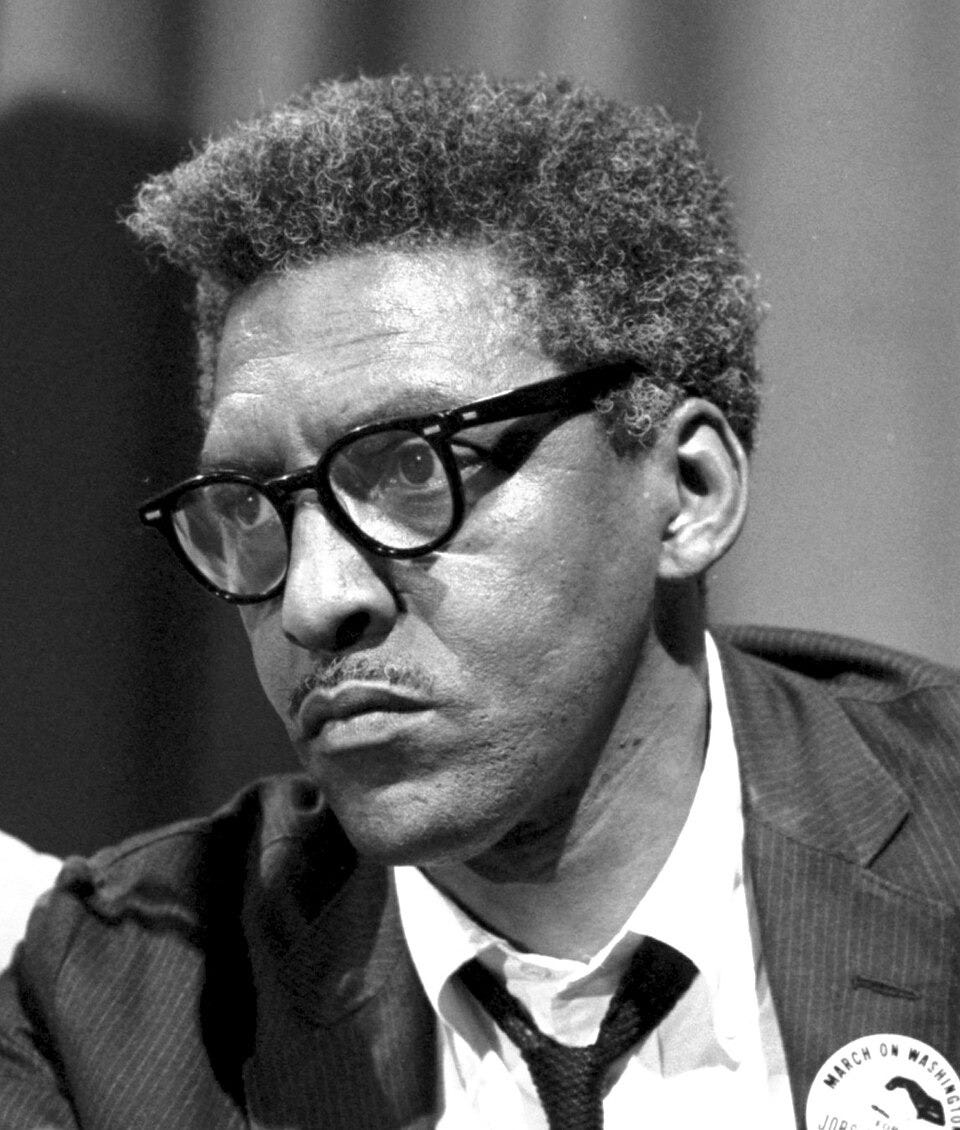
Also in 1953, civil rights activist and organizer Bayard Rustin is arrested for getting caught having sex with a man in a parked car under “morals” laws that target homosexual people. This leads to discrimination and results in him having to play a more behind-the-scenes role in the civil rights movement.
1955
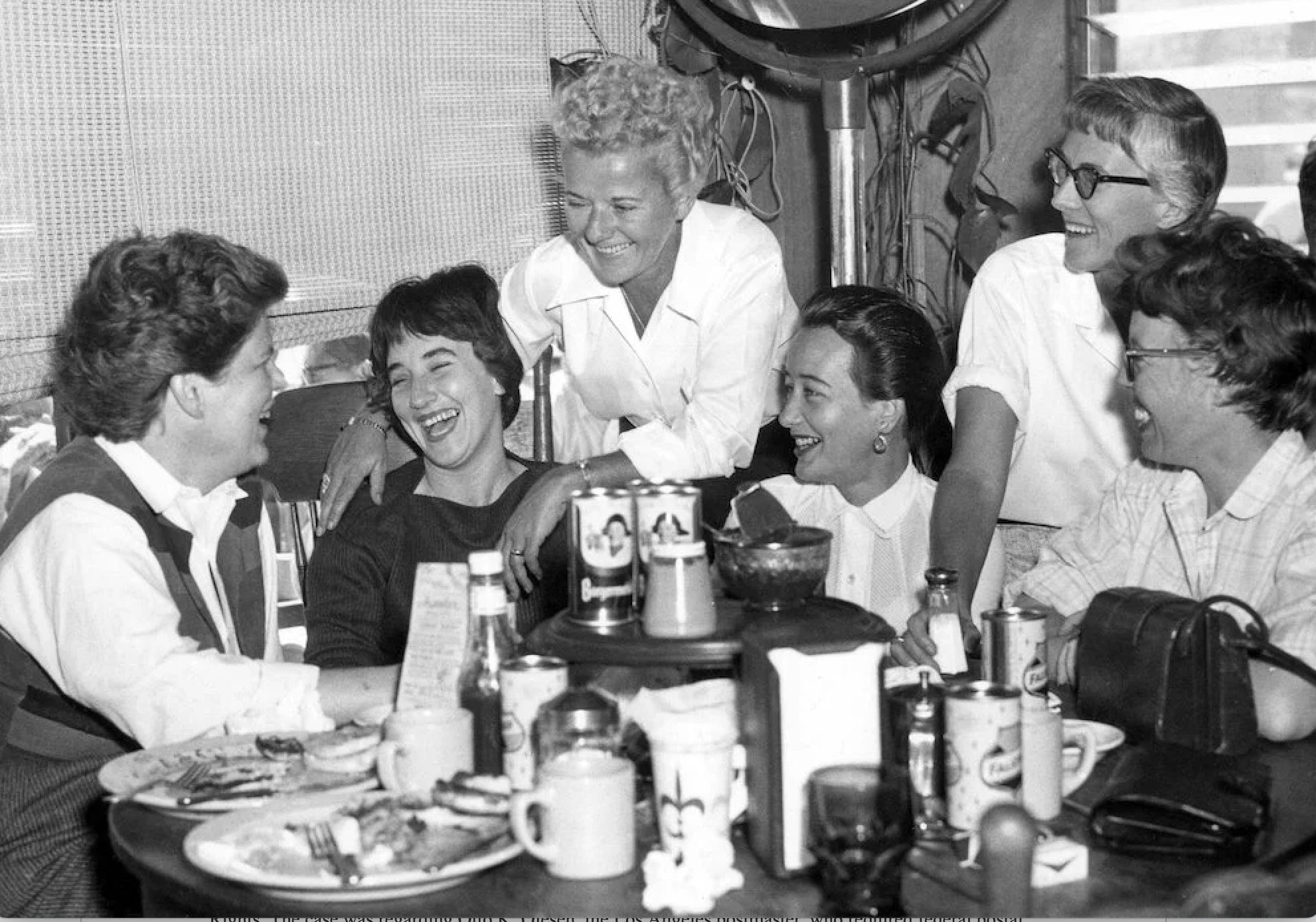
Daughters of Bilitis, the first lesbian rights organization in the U.S., is created. Since lesbian bars are regularly subjected to police raids, the club decides to host safer social functions, and eventually grows into a lesbian rights group with chapters throughout the country.
1958
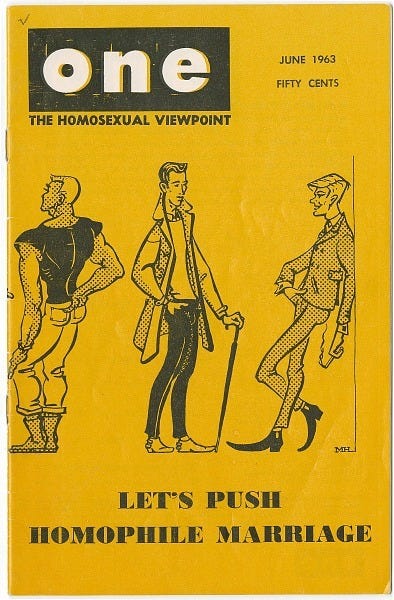
The Supreme Court case One, Inc. v. Olesen is groundbreaking for LGBTQ First Amendment Rights. The Supreme Court ultimately decides that it is legal to mail LGBTQ magazines in the U.S.
1962
Illinois becomes the first state to decriminalize homosexuality when it enacts the repeal of its sodomy laws.
1968
The APA publishes the second edition of the DSM. This version reclassifies homosexuality as “sexual deviation.”
1969
Following a routine police raid of Stonewall Inn, the patrons fight back. From June 28 to July 3, as New York City’s LGBTQ community resists police violence, the Stonewall uprising becomes the birthplace of the modern gay rights movement. Stormé DeLarverie has been identified as the “Stonewall lesbian,” a butch lesbian who was clubbed by police the night of the raid, which many believe activated the patrons.
1972
Don Fass begins the National Bisexual Liberation Group, making it one of the earliest bi groups in the U.S. They begin “The Bisexual Expression,” the first known bisexual newsletter in the United States.
1973
Following pressure from homosexual activists, the APA votes to remove homosexuality from the DSM’s list of mental illnesses.
1974
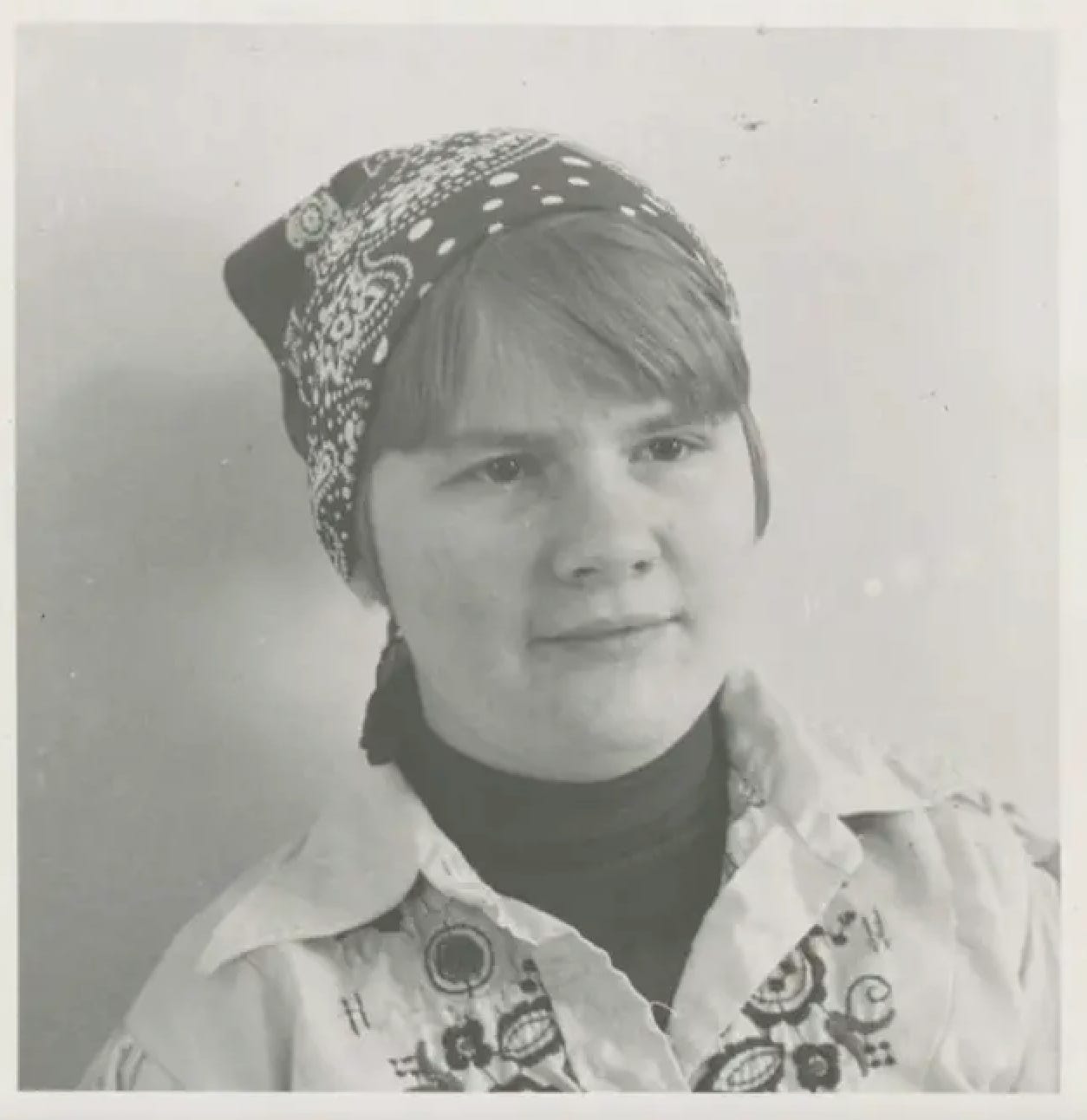
Kathy Kozachenko is elected to a seat on the Ann Arbor, Michigan, City Council, making her the first openly LGBTQ elected official in the U.S.
1978
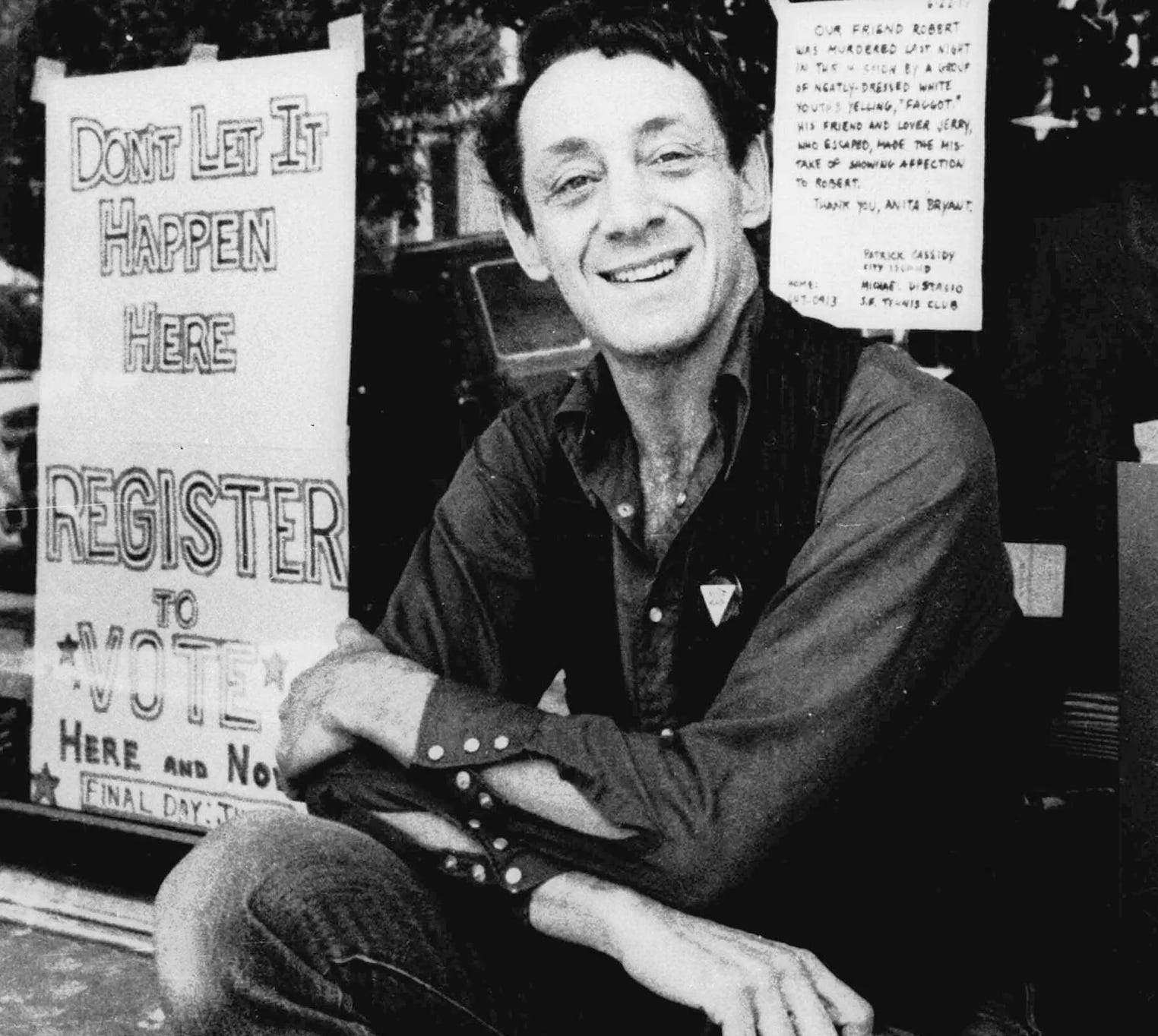
Harvey Milk, the first openly gay man to hold public office in California, is assassinated outside city hall by a disgruntled former city supervisor. He is remembered as one of the great LGBTQ advocates in American history.
1979
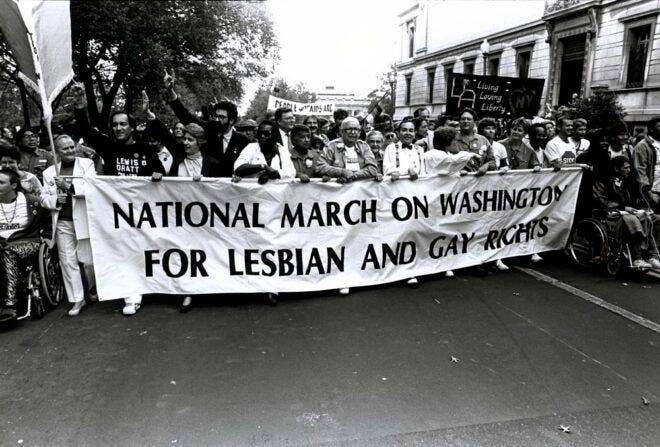
Over 75,000 people join the first-ever National March on Washington for Lesbian and Gay Rights, demanding equal rights and protective civil rights legislation.
1980
The Democrats become the first major U.S. political party to endorse gay rights when the Democratic Rules Committee announces that they won’t discriminate against homosexuals.
1981
The Department of Defense prohibits all gay and lesbian people from serving in the military, stating that “homosexuality is incompatible with military service.” This leads to the discharge of 17,000 homosexual service members.
1982
Wisconsin passes Bill 70 and becomes the first state to outlaw discrimination in housing, employment and public accommodations based on sexual orientation.
1990
President George Bush signs the Ryan White CARE Act, a federal program created to support people living with AIDS. The act is named after Ryan White, an Indiana teenager who contracted AIDS following a tainted blood transfusion.

1993
The Department of Defense officially launches “Don’t Ask, Don’t Tell,” a policy that allows homosexual service members to be part of the military so long as they keep their sexual orientation a secret.
1996
President Bill Clinton signs the Defense of Marriage Act (DOMA), recognizing marriage as a legal union between a man and a woman, and ensuring that states aren’t required to recognize same-sex marriages from out of state.
1997
New Jersey becomes the first state to allow same-sex couples to adopt jointly.
1998
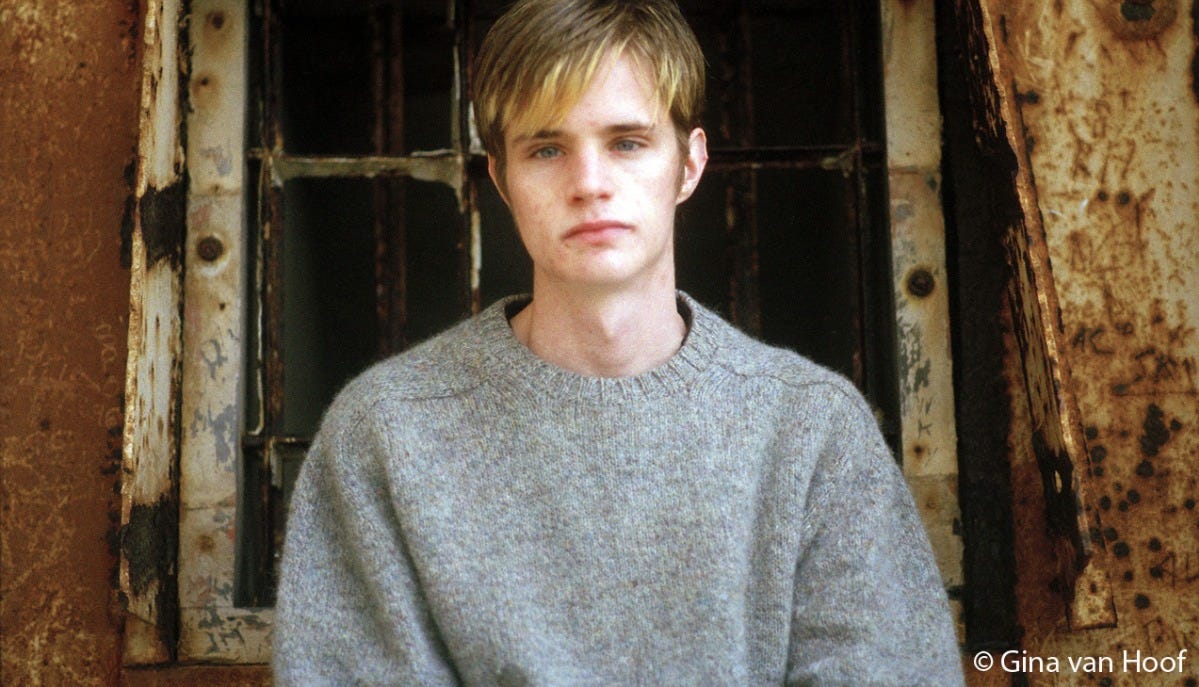
Matthew Shepard, a 21-year-old University of Wyoming student, is brutally attacked and tied to a fence in an anti-gay hate crime. He later dies in hospital, and his case brings national attention to the dangers of homophobia.
2000
Vermont becomes the first state to legalize civil unions and registered partnerships for same-sex couples, giving them the same benefits and protections as married couples.
2003
In Lawrence v. Texas, the Supreme Court finds that sodomy laws are unconstitutional, immediately invalidating sodomy laws that exist in other states.
2004
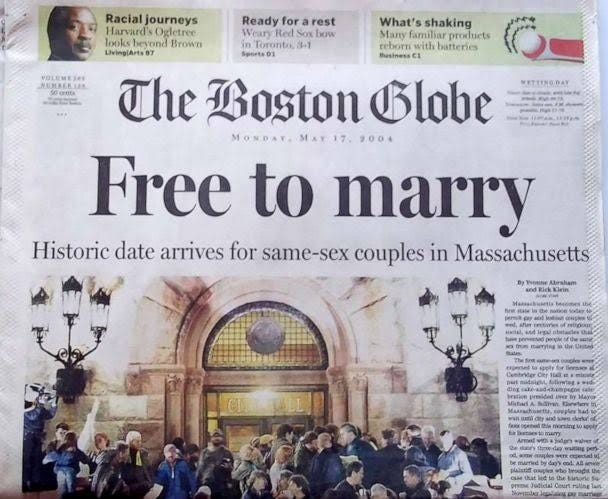
Massachusetts becomes the first state to legalize same-sex marriage. Tanya McCloskey and Marcia Kadish are the first same-sex couple to be legally married in the U.S.
2008
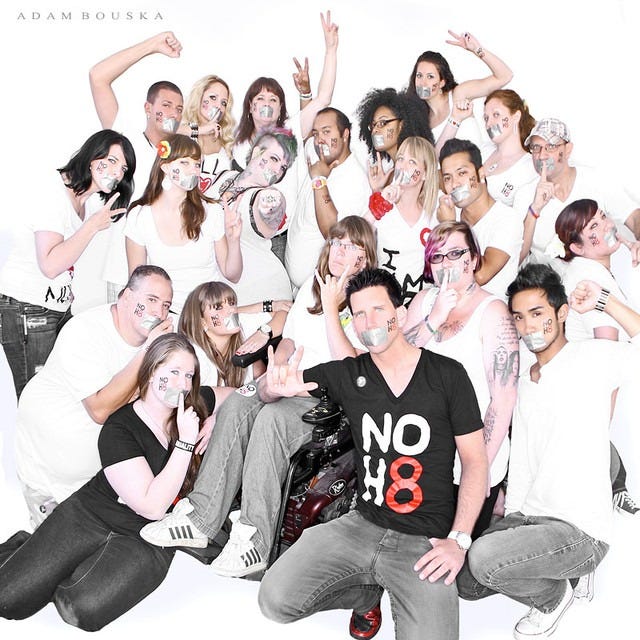
Proposition 8 passes in California, making same-sex marriage illegal in the state. This sparks the NOH8 Campaign, a photo project featuring celebrities and influential figures pushing for marriage equality.
2009
President Barack Obama signs the Matthew Shepard and James Byrd, Jr., Hate Crimes Prevention Act, expanding the 1969 federal hate crime law to include crimes based on sexual orientation and gender identity.
2010
The U.S. Senate repeals “Don’t Ask, Don’t Tell,” enabling gay and lesbian members of the military to be open about their sexual orientation while serving.
2011
Attorney General Eric Holder announces that the Obama administration won’t defend Section 3 of DOMA, which refers to the definition of marriage as a “union between one man and one woman.” Two years later, the Supreme Court rules in a 5-4 decision that Section 3 of DOMA is unconstitutional.
2012
California becomes the first state to ban state-licensed healthcare providers from practicing conversion therapy on minors. Today, 22 other states have passed similar bans.
2015
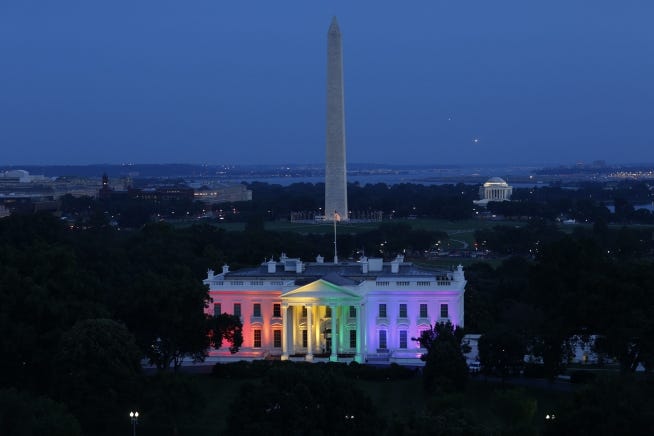
In a 5-4 decision in Obergefell v. Hodges, the Supreme Court rules that same-sex marriage is legal nationwide.
2016
A federal judge strikes down a Mississippi law that bans adoption by same-sex couples, viewed as the final legal hurdle to adoption rights for same-sex couples.
2018
In Masterpiece Cakeshop v. Colorado Civil Rights Commission, the Supreme Court rules in favor of a Colorado baker who refused to bake a cake for a gay couple’s wedding.
2020
In Bostock v. Clayton County, the Supreme Court rules that if an employee is fired solely for being gay or transgender, it violates Title VII of the Civil Rights Act of 1964.
2026
In an 8-1 ruling in Chiles v. Salazar, the Supreme Court rules that Colorado’s anti-conversion therapy law discriminates against a Christian therapist because of her religious views. The ruling is a blow to LGBTQ rights and has the potential to set a precedent in 23 other states.
This story was originally published by Uncloseted Media on June 20, 2026, and is produced in partnership with hankycode, an LGBTQ+ history publication. Reposted with permission.
If objective, nonpartisan, rigorous, LGBTQ-focused journalism is important to you, please consider making a tax-deductible donation to Uncloseted Media through their 501(c)(3) fiscal sponsor, Resource Impact: Donate to Uncloseted Media.