
Diversifying Houston’s Arts Future
Sixto Wagan reflects on the importance of investing in today’s BIPOC artists.
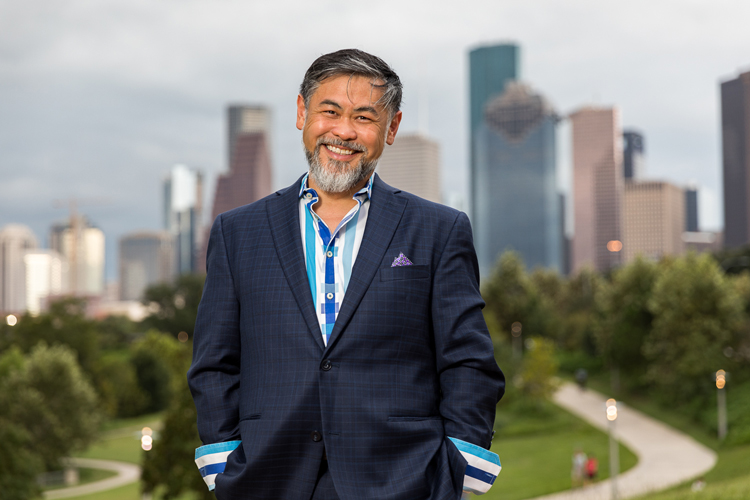
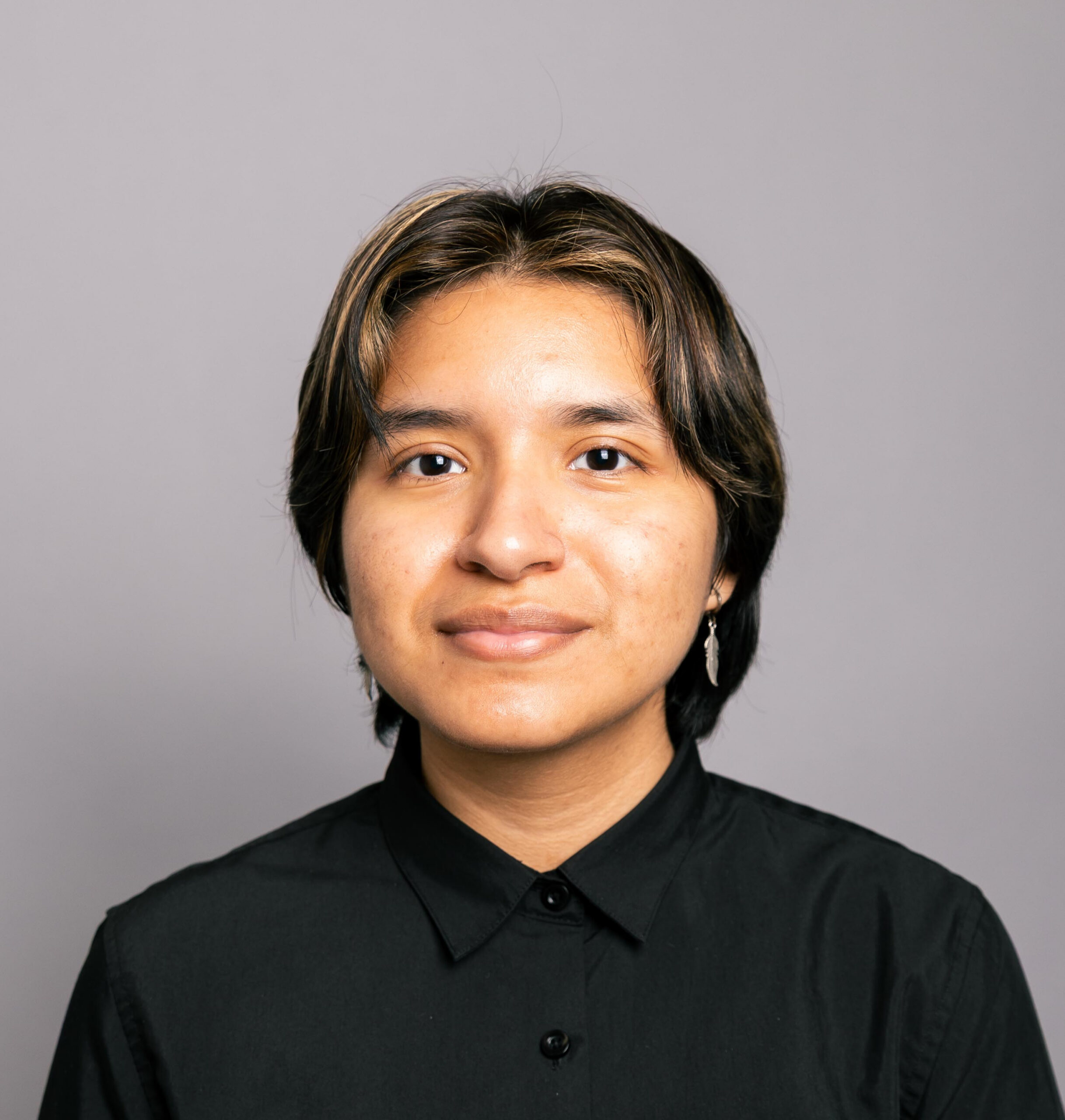
Sixto Wagan (he/him) is the executive director of the BIPOC Arts Network and Fund (BANF), an initiative supporting the creative expression of Black, Latinx, Indigenous, Asian American, Pacific Islander, Middle Eastern and other communities of color in Greater Houston. Through grants, networking, and advocacy, BANF helps secure opportunities for BIPOC artists.
Before his current role at BANF, Wagan was the inaugural director of the University of Houston’s Center for Art and Social Engagement (CASE), which examines the impact of art on a societal scale. He also led DiverseWorks, a nonprofit organization dedicated to producing and presenting contemporary interdisciplinary art through collaborative work with artists and communities. His time at DiverseWorks was also spent as a teacher at Westbury High School after earning his master’s degree in teaching at Rice University. Wagan’s passion for the arts can be traced back to 1996 and his role as co-founder of the Queer Artist Collective (QuAC), an initiative that facilitated spaces for queer artists to fully express themselves.
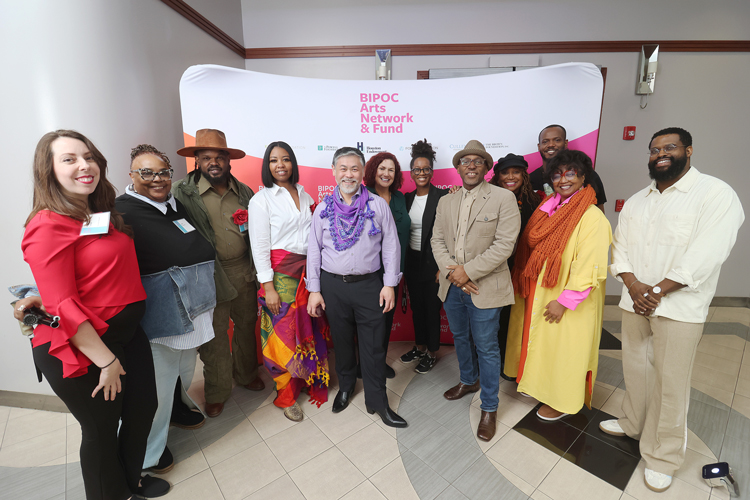
2026 marks five years since the inception of BANF, which the organization plans on celebrating on June 11 at the Culture Bearer Awards Luncheon. Having been involved with BANF since the beginning, Wagan reflects on what it means to evolve from an urgency-motivated initiative to one focusing on long-lasting impacts. BANF was initiated as a response to COVID-19 and the immense emotion following the murder of George Floyd. While initiatives such as America’s Cultural Treasures aggregated over $165 million to support artistic diversity throughout the country in response to the pandemic, Wagan’s goal with BANF, as explored through his other endeavors, is to go beyond momentary solutions.
For three years, BANF has awarded 25 one-time investments of $20,000 to artists with a history of dedication to Houston’s BIPOC communities. After the awards process, Wagan asks the awardees about their goals with the resources they now have, focusing on how the work of individuals can create a broader impact, which is BANF’s goal. Wagan ensures that the resources provided to artists on an individual scale are then translated into work involving the community.
“The initial work was about crisis relief. After that crisis relief, it was then a question of what does it look like beyond that moment,” Wagan explains. Likewise with QuAC, which came about as a response to the AIDS crisis, the emphasis was on making queer voices heard. “It’s bleak to ask how we turn a crisis into opportunity, but it’s one of those things where, as queers, as people of color, everything is a crisis.”
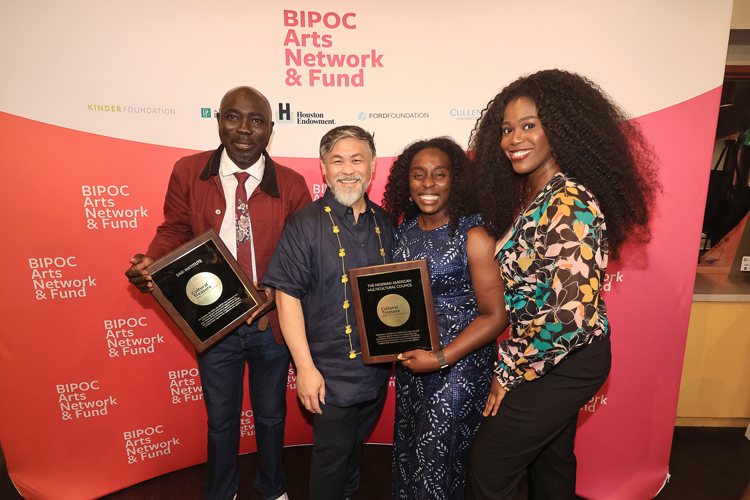
Wagan reflects on the importance of leading this effort as a queer Filipino. “All of my mentors at DiverseWorks pushed me to be in the national conversation. All these spaces—the National Performance Network and the National Dance Project—helped me understand that the work we were doing in Houston was groundbreaking, innovative, and essential, and showed the power of being a queer person of color on a national stage,” Wagan says. “It was an important reinforcement of what leadership could look like.”
“It is very interesting to be a Filipino queer leading the BIPOC initiative with the recognition of long-term Latino, Latinx, Mexicana, all of the Indigenous folks, as well as Black communities,” he adds. “It’s been one of those places I can be a part of, but also I’m not a part of. The navigation of me being queer and not being in a lot of these other spaces also created this space of listening and dialogue that has been part of why we’re able to do what we do.”
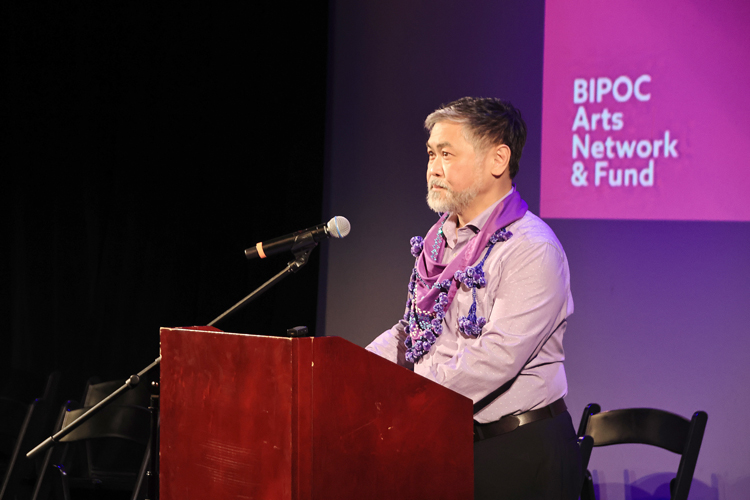
Listening and dialogue is a pivotal part of community-building. Wagan also remarks on how his presence as executive director has brought opportunities for individuals to speak to him on queer issues in ways in which his beliefs on these issues are not questioned, opening a space for conversation and understanding. “That is an important part of helping to shift other people’s perspectives of what safe spaces actually look like, and how to push people into places beyond discomfort into a place of okay,” he says. It is an important part of creating dialogue and a community.
For more info, visit houstonbanf.org.