
Houston HIV Survivor Nathaniel De La Fuente Redefines Disability Pride
Living with chronic illness, disability, and lasting health challenges, De La Fuente centers faith, resilience, and inclusion during Disability Pride Month.

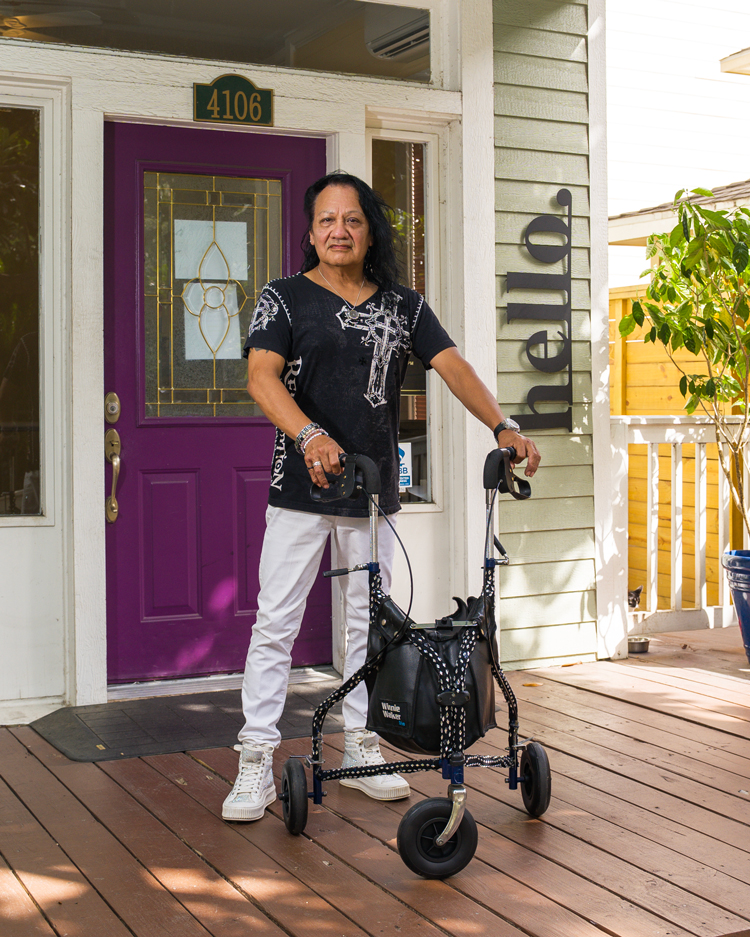
Nathaniel De La Fuente, 62, is a Houston gay man whose life has been shaped by resilience, faith, and a determination to keep moving forward. A longtime HIV-positive survivor who is now undetectable, De La Fuente has lived through medical and personal challenges while continuing to define himself by strength rather than limitation.
His health journey has included neurological issues, chronic pain syndrome, bilateral leg disorder, and post-traumatic stress disorder. He has also survived a transient ischemic stroke, which continues to affect his balance and limit his ability to walk—he now must use a three-wheeled rollator. If he goes somewhere that requires too much walking, he requires a wheelchair. He continues to face bouts of depression.
Through it all, De La Fuente says he has learned to approach disability with intention and self-direction. Rather than surrendering control to fear, pain or uncertainty, he grounds himself in the belief that he can still choose how to respond to what life places in front of him. He says he has learned to deal with his disabilities by realizing that “I am the driver of my own life vehicle, that I physically and mentally am in control of the path and direction I need to steer towards.”
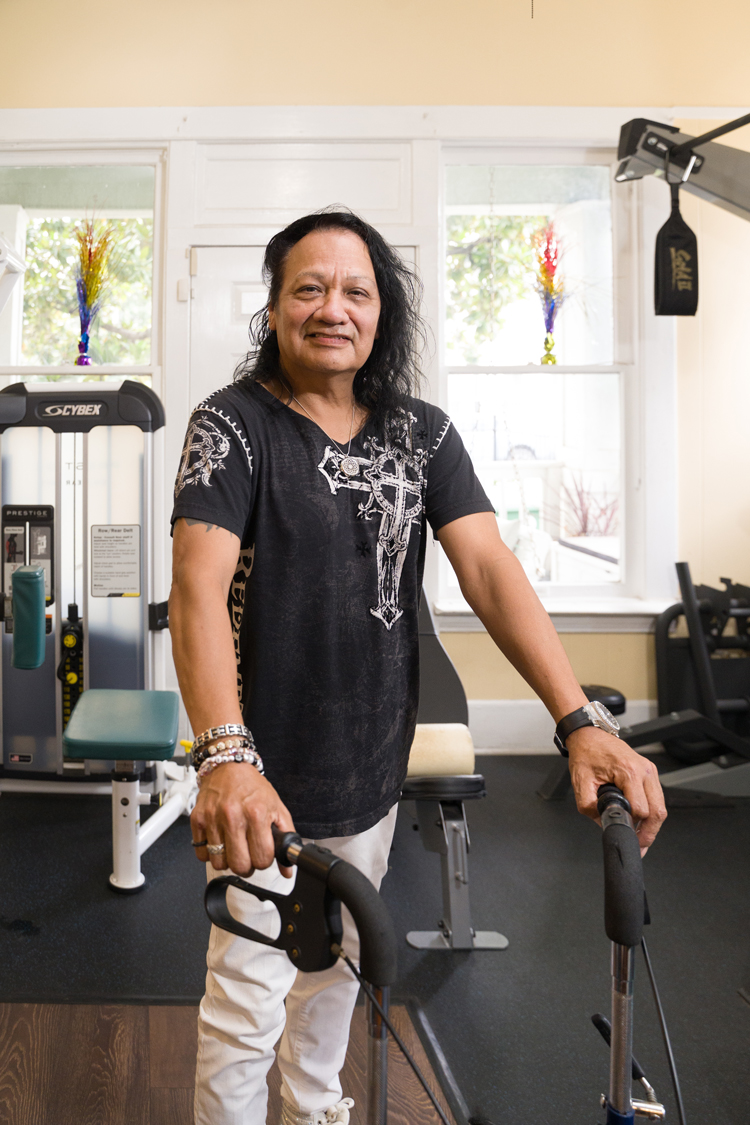
He works out regularly at Lazarus House, a wellness center that offers a comprehensive program of exercise, nutrition, and support to the chronically ill to help fight muscle loss.Music and positive affirmations have become part of his daily practice. De La Fuente turns to songs that remind him of his worth, his endurance and the person he has become. “I listen to songs that not only make me feel good but also make me feel that I have value. Some songs have a strong meaning as to who I’ve become and who I am.” Among his favorites are Whitney Houston’s “I Didn’t Know My Own Strength,” Teddy Swims’ “Lord I’m Tired of Being Strong,” and “This is Me” from The Greatest Showman.
For De La Fuente, the word disability can suggest absence or deficiency, but he chooses to focus instead on what remains possible. He sees ability not only in physical strength, but in perseverance, gratitude, joy and love. “I simply think of the positive side and that is ability—the ability to work through any and all challenges on any given day and the ability to be thankful, happy, positive, and loving no matter the obstacles life may bring.”
That perspective has helped him redefine strength. Living with disabilities has taught De La Fuente that resilience is not always visible to others and that people who are perceived as vulnerable often carry a depth of courage others may never fully recognize. The greatest lesson that he has learned from living with disabilities is “positivity in a negative world that looks down or even frowns upon the lesser or the weak. I know that my inner strength can outmatch most people who deem themselves as normal.”
De La Fuente also believes that inclusion matters because it changes how people understand disability. To him, inclusion is not about pity; it is about recognizing the full humanity, dignity, and contributions of people living with disabilities. “We shouldn’t be treated with sympathy but rather with the same respect and inclusion as all other people.”
That sense of dignity is also why Disability Pride Month carries meaning for him. The month is an opportunity to recognize that people living with disabilities are not defined by old stereotypes or by what others assume they cannot do. Celebrating Disability Pride Month is important because “we are no longer people who live in the past. We have grown into professionals, influencers, and teachers in all different ways. We’ve understood that we are just like the evening sky, in which not all the stars shine bright but they all sparkle.”
De La Fuente hopes for a world where people living with disabilities are seen not as burdens or exceptions, but as whole people worthy of love, recognition and belonging. A world where “people realize the courage and faith it often takes to simply show up.”