

Abbie Madden Brings Queer-Affirming Nutrition Care to Houston
The Space City Nutrition founder challenges diet culture with a weight-neutral, LGBTQ affirming approach to food and body image.

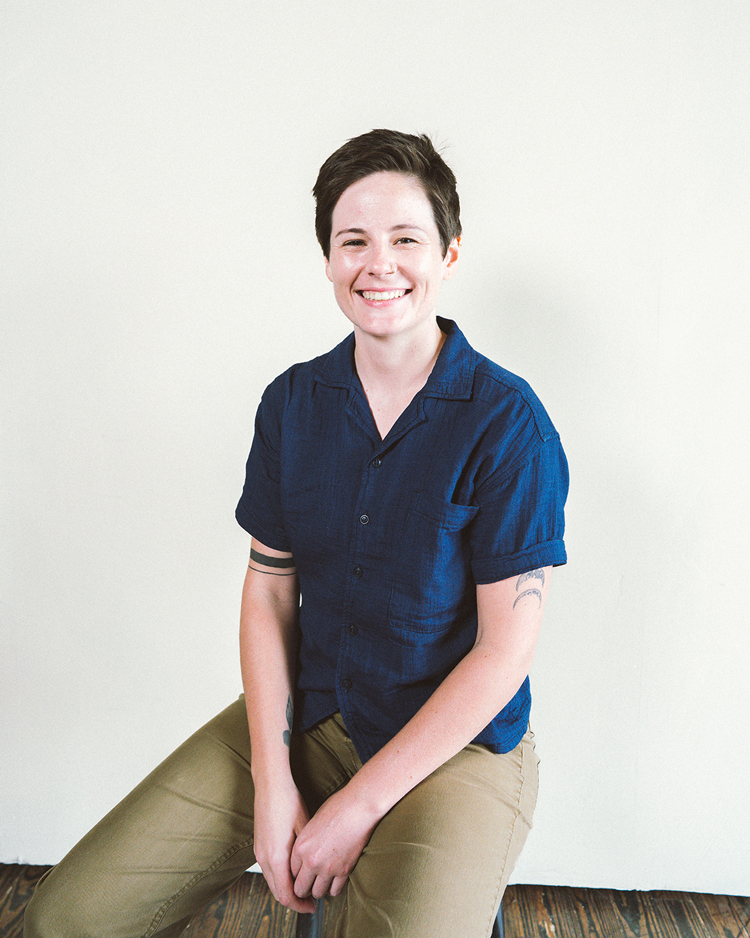
Abbie Madden (they/them) is a leading voice of queer representation within conversations surrounding nutrition, dieting, and weight loss. They received their bachelor’s and master’s degrees from Oklahoma State University and completed their dietetic internship at the University of Houston. Abbie is the founder of Space City Nutrition, a group practice of dietitians who specialize in nutrition counseling.
What makes Space City Nutrition stand out is its inclusive and welcoming environment, as the practice is LGBTQIA+ affirming, anti-racist, and neurodiversity-affirming. It is also very accessible, as it is among the few group practices that accept insurance and offer reduced rates based on need. Abbie’s journey in discovering their own identity intersected with dismantling their own rigid perceptions of food and body image, as Abbie grew up in a very conservative and religious environment. “I feel that healing my relationship with food was one of the first steps in changing the rest of my life and coming to terms with my queer identity,” Abbie explains.
Space City Nutrition practices from a weight-neutral philosophy, meaning that it does not emphasize weight loss as an overarching goal for its patients. Instead, Space City Nutrition focuses on improving the relationship between patients and food as well as encouraging patients to familiarize themselves with bodily cues. For Abbie, it is pivotal to stray away from the idea that thinness is a determinant of good health. “The diet industry is a multibillion-dollar industry, and there are so many dollars invested in making us believe that our bodies aren’t good enough as they currently are,” Abbie says.
“Weight is not a behavior. Weight is more like the side effect of a lot of different things, most of all being genetics.”
By practicing self-compassion, dietitians at Space City Nutrition work with patients to look at their bodies from a neutral perspective rather than strictly “good” or “bad.” Acknowledging the multiple factors that contribute to one’s weight, such as geographic location, socioeconomic status, and access to healthcare, can help prevent patients from leaning into the misconception of body weight being a reflection of one’s worth.

The Health at Every Size framework, a framework Space City Nutrition references on their website as the baseline of their practice, aims to incorporate its principles into the practice of healthcare providers to become Health at Every Size aligned. Being Health at Every Size aligned consists of acknowledging the ways in which systemic oppression contributes to the exacerbation of negative sentiments toward one’s body. Keeping this reality in mind also encourages medical professionals to acknowledge the role they play as healthcare providers, making it more crucial to apply the Health at Every Size framework within their care and provide support that aligns with the many social movements currently working to achieve health justice for marginalized groups.
“[Health at Every Size] recognizes that weight stigma contributes to a lot of harm. We talk a lot about stigma in the doctor’s office, medical weight stigma, and people not getting hired for jobs because of their weight,” Abbie explains. “It’s not just an individual issue. It’s also a social justice issue.”
According to the National Eating Disorders Association, queer people experience higher rates of eating disorders compared to their heterosexual and cisgender peers, as well as more severe eating disorder symptoms upon entering treatment. It is also reported that those who identify as transgender or nonbinary may be at greater risk for developing an eating disorder.
In the case of those who are transgender, the desire to present as their gender identity can also place significant focus on physical appearance, which inevitably means being aware of how weight can impact presentation. When it comes to discussions with patients who have eating disorders and are working toward aligning themselves with their gender identity, Space City Nutrition implements two of the Health at Every Size principles: informed consent and compassionate care. “We believe in bodily autonomy at Space City Nutrition,” Abbie says. “People can make the choices that they feel are best for their own bodies…we just want to inform them of the potential risks that could happen. I totally understand why someone would do that.”
Being an openly gender-queer dietitian provides Abbie with a unique perspective that helps them connect with many queer folks who struggle with their body image. “I feel those pressures, too, so I just have a lot of empathy for everybody in the queer community,” Abbie says.
Space City Nutrition, with its emphasis on creating a safe space for queer individuals, helps raise awareness about how unhealthy relationships with food and body image especially affect the queer community. So far, they’ve collaborated with multiple queer organizations, have given educational presentations on the services Space City Nutrition provides, and look forward to becoming more involved within the queer community.
For more information, visit spacecitynutrition.com.