
A Closeted Cadet’s Story of Survival During “Don’t Ask, Don’t Tell”
In 'Behind the Salute' , Houston author Mauricio Lucho turns personal history into a powerful coming-of-age novel about abuse, identity, and resilience.

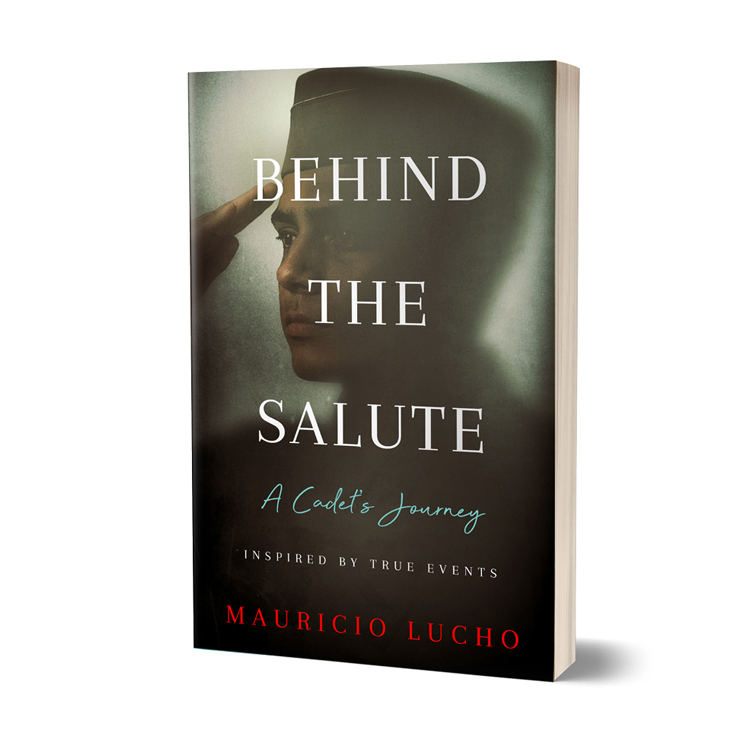
When “Don’t Ask, Don’t Tell” (DADT) was repealed in 2010, gay, lesbian, and bisexual Americans were able to serve openly in the U.S. Armed Forces. What proved to be a positive step forward for the LGBTQ+ community, and the country at large, left behind generations of soldiers unable to reap the benefits of this hard-fought freedom. The discriminatory policy, while in effect, made immeasurable negative impacts on individuals, many of whom ultimately left the Armed Forces behind. One such individual was Mauricio Lucho, author of Behind the Salute: A Cadet’s Journey. In his debut novel, a semi-fictionalized memoir inspired by true events, Lucho depicts the horrors of being a closeted member in his university’s Corps of Cadets, the power of friendship, and the ultimate sacrifices that allowed him to survive.
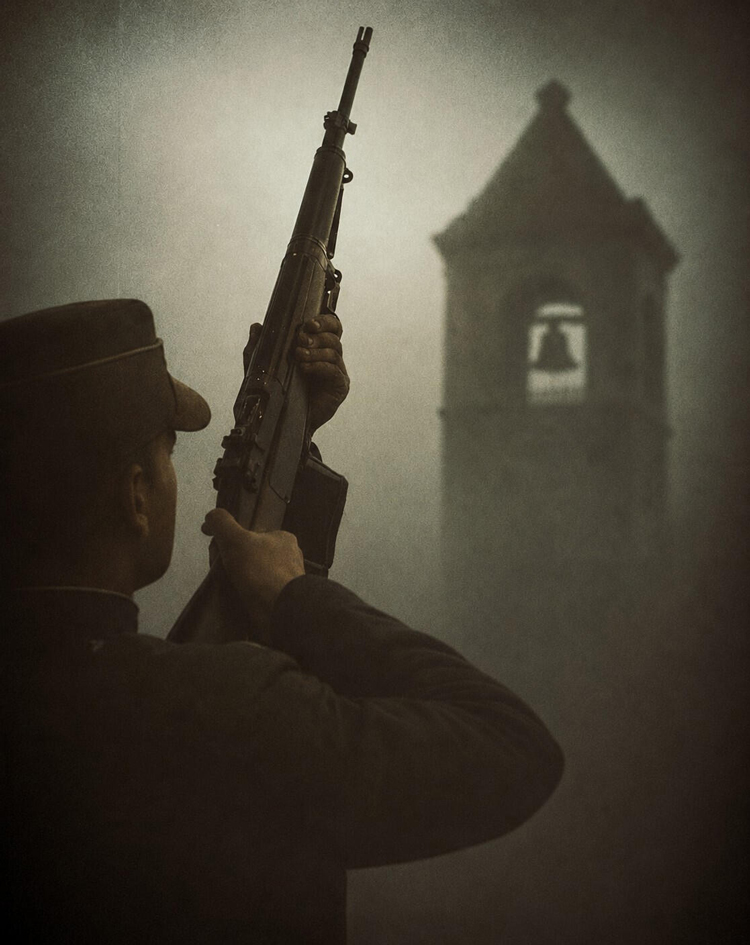
Lucho, who writes under a pseudonym to maintain his anonymity, ventured back to a painful time in his life when writing the semi-autobiographical coming-of-age novel. The Houstonian writes of his time at an esteemed college in Texas, sharing a peek behind the curtain of the life of a cadet, including hazing rituals, abuse, life-saving friendships, and the internal strife of a closeted cadet. The book depicts graphic scenes of sexual and physical violence at the hands of higher ranking officials, along with other painfully vivid stories of pain and loss. Despite the heavy nature of the book’s content, Lucho finds balance for these scenes with heartfelt anecdotes of family, friendship, and love.
“Several things inspired me to write this book, including the love and support of my family and friends, as well as my experiences navigating the ‘Don’t Ask, Don’t Tell’ era and extreme collegiate hazing,” he says. “It was important for me to write about my loving family and friends while sharing glimpses of my Hispanic culture and faith. Without them, I wouldn’t have persevered.”
While the author may not have studied writing as a profession, his storytelling abilities paint a portrait of a very specific time in our country’s history. “The writing process evolved over more than two decades,” he says. “Life forced me to stop and start repeatedly, and the journey required humility and a willingness to ask for help along the way. I wasn’t a writer per se, but I knew I had a story to tell.”
While the novel takes place predominantly in the 1990s, Lucho asserts that his book is a recollection of a specific moment in time and that the march toward equality continues. “Looking back, I realized that I, and countless others, lived through a chapter of American LGBTQ+ history marked by systemic oppression. I wanted to memorialize the ‘Don’t Ask, Don’t Tell’ era through my own journey,” the writer shares.
“Unfortunately, the LGBTQ+ community continues to face ongoing discrimination, which I hope will one day also be written about in the past tense.”
The book is an amalgamation of real life experiences Lucho endured while in college, as well as re-envisioned moments to serve the overall plot. Writing under his pen name, Lucho finds safety under a veil of protection. “When I first began writing over two decades ago, it was simply my story—a memoir. The chapters were interesting and shocking, but as my friend once told me, it wasn’t yet a story in the literary sense,” Lucho recalls. “Over time, I merged characters, deleted scenes, and reshaped events. The refined story no longer belonged entirely to me. I also didn’t want family and friends to assume every detail or character represented reality exactly as it happened. So, I created Mauricio, which opened the door to greater literary freedom.”
Since the book’s release, Lucho has received feedback from readers who have discovered the book through festivals and word of mouth. “The story has made readers uncomfortable, emotional, reflective, and deeply connected to Mauricio,” he says. “I try to warn people that the book is heavy and complex, though there are still glimmers of light and hope throughout. The tears I cried and the pain I felt while sitting in front of a monitor over the years have been mirrored by many readers.”
With the United States’ 250th Anniversary taking place this year, Americans are invited to reflect on the history of our country—the good and the bad. Just as Lucho navigated the positives and negatives of his story, he shares that it was worth it if it means others feel compelled to share their own. “If more stories by people I care about [are told], then I’ll be unexpectedly and pleasantly surprised,” he says.
Having survived the “Don’t Ask, Don’t Tell” era, Lucho’s story is one of survival and, ultimately, hope. “Many readers have asked, ‘What happens to Mauricio [after the book’s ending]?’ I’ve lived a rich and adventurous life, so don’t be surprised if ‘Mauricio’ continues to write.”
Available now at your local independent bookseller, at Barnes & Noble, or on Amazon.