

Transgender Awareness Week Highlights Education, Visibility, and Remembrance
Annual observance urges learning, advocacy, and honoring lives lost to anti-trans violence.

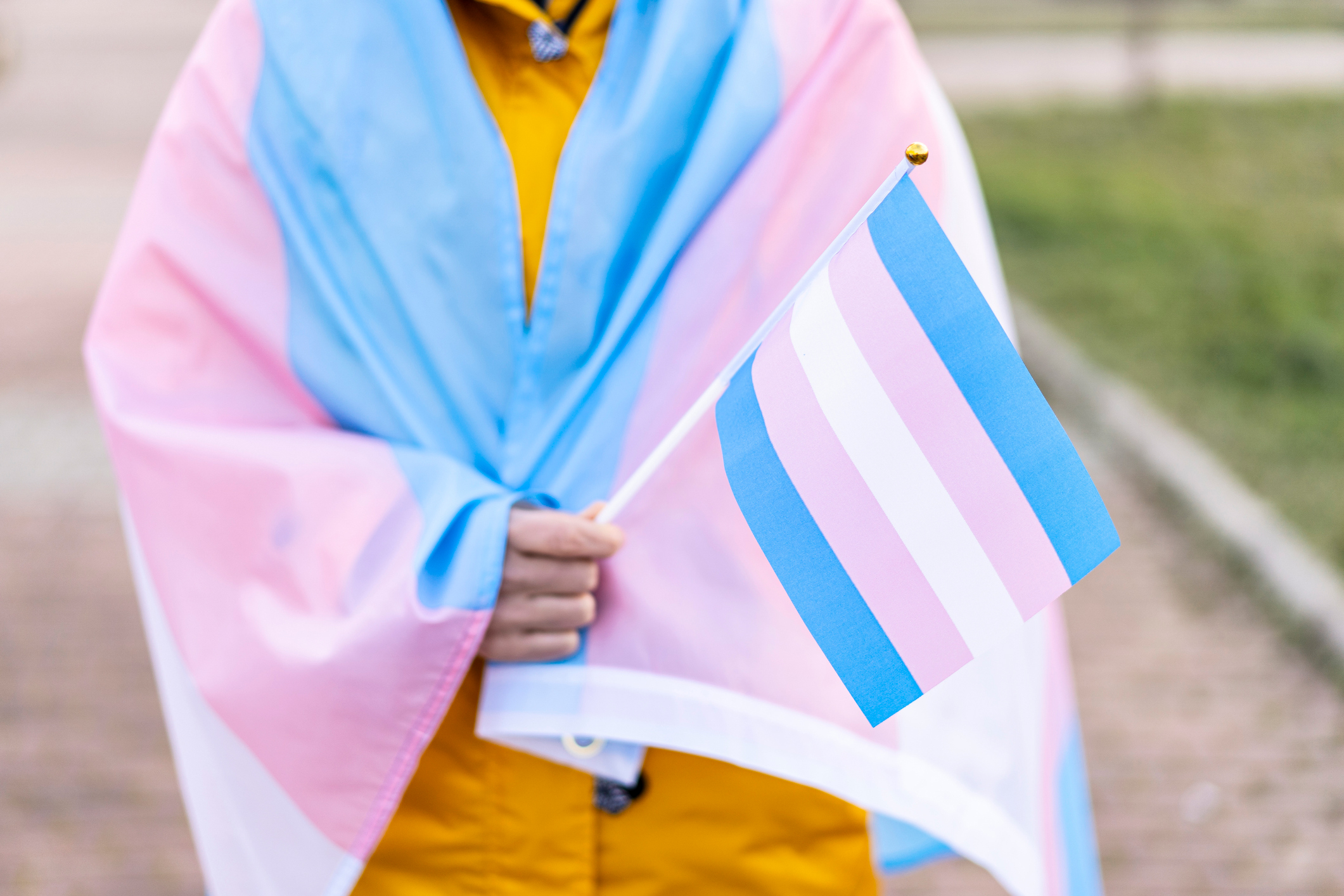
Each year from November 13 through 19, communities across the United States and around the world observe Transgender Awareness Week, a period dedicated to increasing public understanding of transgender people and the issues they face. The week leads directly into Transgender Day of Remembrance on November 20, an annual observance honoring the people whose lives were lost to anti-trans violence during the year.
In a political environment where transgender people have increasingly become targets of discrimination, misinformation, and violence, advocates emphasize the importance of using this week to learn the facts about who trans people are, better understand the realities they navigate, and recognize how the equality and safety of transgender people are linked to the well-being of society as a whole. As the week begins, organizations, activists, and allies invite the public to engage with stories, educational resources, and community events designed to combat harmful myths and advance acceptance.
A Week of Education and Visibility
Transgender Awareness Week centers on bringing visibility to trans people by highlighting their stories and lived experiences. Throughout the week, transgender people and their allies work to educate the public, uplift narratives that are too often marginalized, and advocate around the issues that contribute to discrimination and violence. Activities typically include panel discussions, community dialogues, resource sharing, cultural events, and campaigns that amplify trans voices.
This period of focused awareness serves as an opportunity for people who may not be familiar with transgender issues to learn, listen, and challenge their assumptions. It is also a time for trans people to connect with one another, celebrate resilience, and share the fullness of their identities with their communities.
Advocates stress that education plays a crucial role in battling disinformation. Following the lead of the current administration, political leaders in Texas and around the country have introduced or passed legislation targeting transgender rights, so Transgender Awareness Week becomes an important counterbalance that encourages deeper understanding and compassion.
Honoring Lives Lost: The History of Transgender Day of Remembrance
The week culminates in Transgender Day of Remembrance (TDOR) on November 20, a solemn observance honoring transgender individuals who have lost their lives to anti-trans violence. TDOR has its roots in community action and collective mourning. It was founded in 1999 by trans advocate Gwendolyn Ann Smith as a vigil marking the one-year anniversary of the murder of Rita Hester, a trans woman killed in 1998. That initial gathering honored Hester and other trans people lost to violence that year, laying the groundwork for an annual observance that quickly grew into a global movement.

The origins of TDOR also honor the memory of Chanelle Pickett, a trans woman murdered in November 1995. Pickett and Hester’s deaths galvanized early efforts to acknowledge anti-trans violence and helped shape the modern observance. Their stories remain foundational to the ongoing movement for safety and justice.
Over time, the scope of TDOR has broadened. Many communities now also acknowledge transgender people who have died by suicide, recognizing the profound mental health toll that discrimination and social rejection can take. This year’s theme, “Lives Remembered, Futures Reclaimed,” underscores the importance of honoring those lost while also recommitting to a vision of safety, dignity, and possibility for trans people everywhere.
In Houston, the day is marked by multiple events across the city, including Reign in Paradise, an all-day event at MATCH hosted by The Mahogany Project and Save Our Sisters United, featuring a public vigil, panel discussion, and community mixer.
A Call to Action Beyond a Single Week
While Transgender Awareness Week and Transgender Day of Remembrance hold deep symbolic meaning, advocates emphasize that the need for awareness, education, and solidarity does not end on November 20. For many LGBTQ organizations and community leaders, this period serves as a launching point for continued advocacy throughout the year.
The broader period of Trans Awareness and Nonbinary Empowerment Month builds on the themes of education and visibility, encouraging people to understand transgender and nonbinary histories, celebrate their contributions, and recognize the ongoing challenges they face. This month-long observance is described as an invitation to listen, learn, and stand in solidarity with transgender and nonbinary people. It is also a reminder that meaningful support requires sustained engagement well beyond the calendar observances.
Participants are encouraged to use this time to reflect on how they can contribute to a more affirming and inclusive world. This can take the form of attending educational events, advocating for inclusive policies, supporting transgender and nonbinary organizations, and challenging misinformation in their own communities. Even small acts of support, such as sharing accurate information or listening to trans people’s experiences, can contribute to a more welcoming environment.
Looking Forward
Transgender Awareness Week remains a vital part of the LGBTQ calendar because it illuminates both the progress made and the work that still lies ahead. It encourages learning, fosters visibility, and honors those who can no longer speak for themselves. As communities observe Transgender Awareness Week and prepare for the somber reflection of Transgender Day of Remembrance, the call is clear: by understanding the past and recognizing the challenges of the present, people can help build a future where trans lives are valued, protected, and celebrated.
Local Resources
- Transgender Education Network of Texas (TENT)
TENT is the largest statewide, BIPOC-trans-led organization focusing specifically on policy, education and advocacy for gender-diverse Texans. They offer toolkits, legal guidance, school-policy support, and family resources. transtexas.org - Montrose Center — Gender Services
The Montrose Center offers peer-support groups, drop-in services, youth programming, and gender-affirming resources for trans and nonbinary individuals. montrosecenter.org/services/gender-services/ - PFLAG Houston – Trans & Nonbinary Youth Resources
This trusted network supports families and loved ones of trans and nonbinary youth in Texas. It offers chapter support, family guides, and connects you to affirming local groups. pflaghouston.org/resources.html - Trans Legal Aid Clinic of Texas (TLACT)
Trans Legal Aid Clinic of Texas is a non-profit that connects transgender and non-binary Texans seeking to change their legal name and gender marker with free help from volunteers in the legal community. translegalaidtx.com - Equality Texas – Community Resources & Legal Support
Equality Texas offers a rich directory of trans-affirming legal, housing, health, and youth resources, including direct assistance request forms when rights are under threat.
equalitytexas.org/resources/community-resources/