

Anandrea Molina’s Fight for Trans Immigrant Rights
The OLTT founder advocates for Houston’s trans Latinx immigrants facing barriers to safety, health care, housing, and legal support.
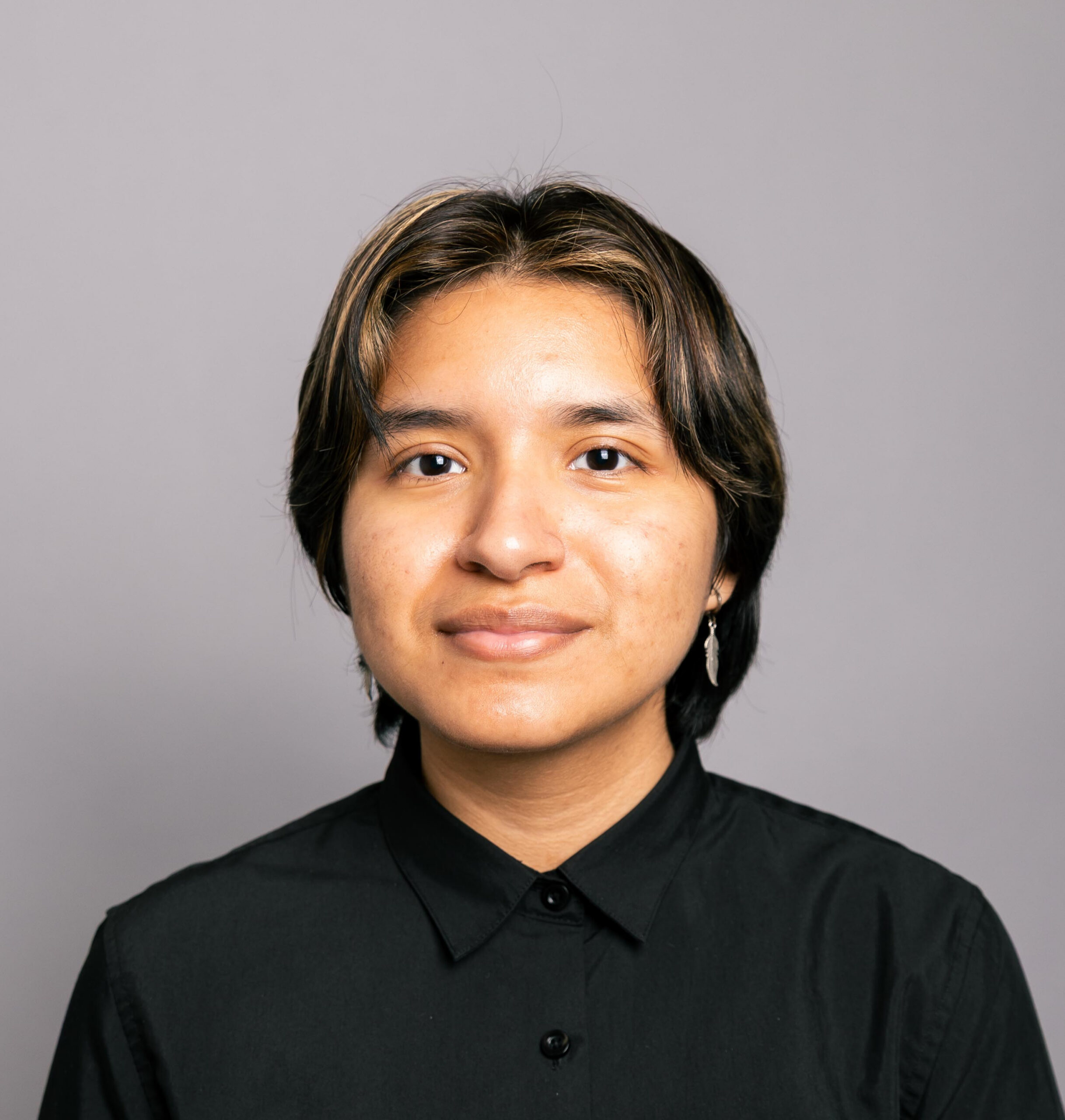
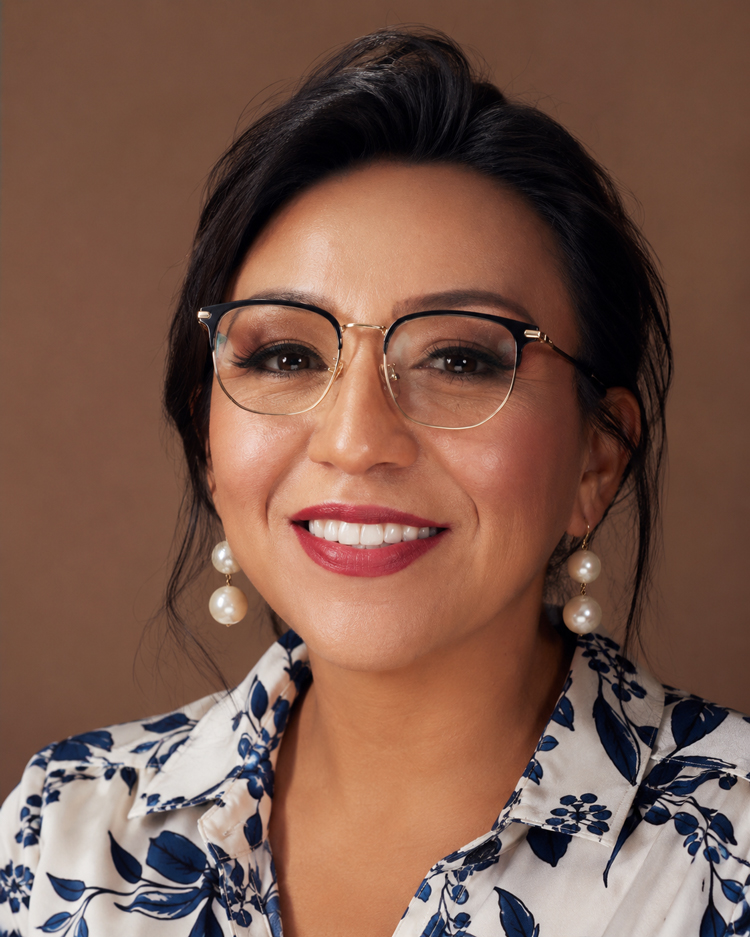
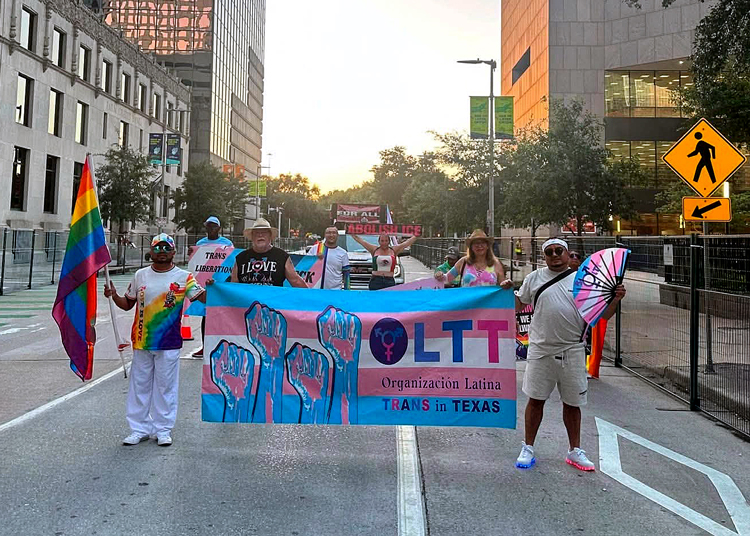
At Houston’s Pride celebration, Organización Latina de Trans en Texas (OLTT) made its message impossible to miss. One of the organization’s elaborate floats featured trans women sitting inside a makeshift prison cell, surrounded by signs declaring, “No Pride in Detention” and “Freedom for All. No More Detentions. No More Deportations.”
The imagery reflects an increasingly urgent concern for OLTT and its founder, Anandrea Molina (she/her): the treatment of transgender immigrants within the detention system.
According to a 2024 Transgender Health study, transgender people “face high rates of sexual victimization in detention facilities,” and transgender women are up to 13 times more likely to experience sexual assault than detained cisgender people. The study also reports sexual harassment of transgender women by both staff and other detainees, particularly when trans women are housed with men in facilities that do not recognize their gender identity.
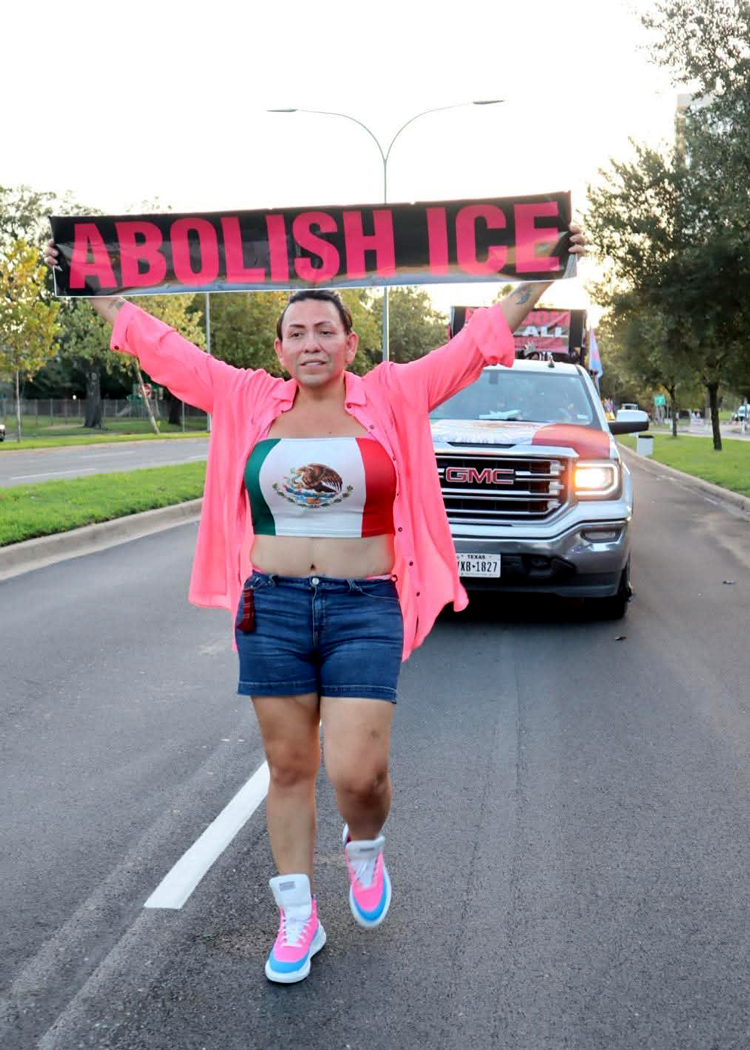
The concern comes amid increased immigration enforcement. ABC News reported that June 2026 saw more than 43,000 arrests between U.S. Immigration and Customs Enforcement and U.S. Customs and Border Protection—an average of 1,438 arrests per day.
For Molina, these issues are inseparable from OLTT’s larger fight for the rights and safety of transgender Latinx immigrants.
Founded in 2015, OLTT is a nonprofit dedicated to protecting and defending the human rights of trans, gender-nonconforming, and LGBTQIA+ people in Texas. Its work includes advocacy, direct aid, emergency shelter, access to health and social services, community meeting spaces, and assistance connecting queer people in the detention system with legal services.
Breaking Down Barriers
Access to adequate health care has long been another major concern for transgender women in Houston’s Latinx community.
Molina recalls OLTT’s efforts to ensure that clinics serving transgender patients use their chosen names and pronouns rather than forcing them to use their legal names. In the organization’s early years, OLTT also advocated for Spanish-language services for Latinx patients seeking health care.
“Lots of times, these linguistic barriers are what limit and do not allow for us to access the healthcare services provided [at these clinics],” Molina explains.
OLTT continues to address the community’s medical needs by collaborating with local health centers to help people begin or continue gender-affirming medical and mental health care. The organization also helps raise funds for hormone-replacement therapy and gender-affirming surgery. OLTT conducts its meetings primarily in Spanish, creating a space centered on the community it serves.
Molina’s advocacy has earned her numerous honors, including the Monica Roberts Trans Activist of the Year Award, which recognizes work combating social isolation, stigma, and injustice within LGBTQIA+ communities of color, particularly efforts protecting transgender Texans.
While Molina acknowledges the recognition her work has received, she emphasizes that awards have never been her motivation.
“I did not come to the position I am in for recognition. I got here due to my work,” Molina states.
Her condition for accepting the Monica Roberts Trans Activist of the Year Award was that another trans woman also have the opportunity to be recognized.
That insistence on bringing others with her reflects a larger frustration Molina has with the relationship between trans women and the broader LGBTQ community. Despite the attention trans women have given to struggles affecting other sectors of the queer community—including the fight for marriage equality in the United States—Molina says she has not always seen the same dedication extended to trans Latina communities.
“Many times us transgender women are used for an agenda and we do not reap the benefits of being part of said agenda,” Molina states.
A Place to Call Home
Molina saw those disparities firsthand through her relationship with the late Houston journalist and transgender activist Monica Roberts.
“Even after all the work Monica has done, she reached a moment in which she was on the street, and she lived in Casa Anandrea for more than a year as a resident,” Molina explains. “It surprised me since she worked, but as long as you are trans, especially racialized and trans, you don’t always have the same resources compared to someone who is white.”
Casa Anandrea was an emergency-relief effort created by OLTT primarily to serve trans immigrant Latinas. It eventually expanded to house other vulnerable populations within Houston’s queer community.
When it opened in April 2017, Casa Anandrea was the only LGBTQIATS+ migrant shelter in the Houston community and prioritized housing undocumented people living with HIV. Over the years, its mission expanded as the shelter took in Latin American migrant families with children who had been dropped off after leaving ICE detention with nowhere else to go.
The number of people who lived at Casa Anandrea throughout its years of operation is difficult to estimate because the shelter expanded multiple times. Casa Anandrea ultimately closed in December 2024. Molina says changes in Texas and reductions in aid programs have further complicated the organization’s ability to provide support.
But OLTT’s work has never centered solely on crisis.
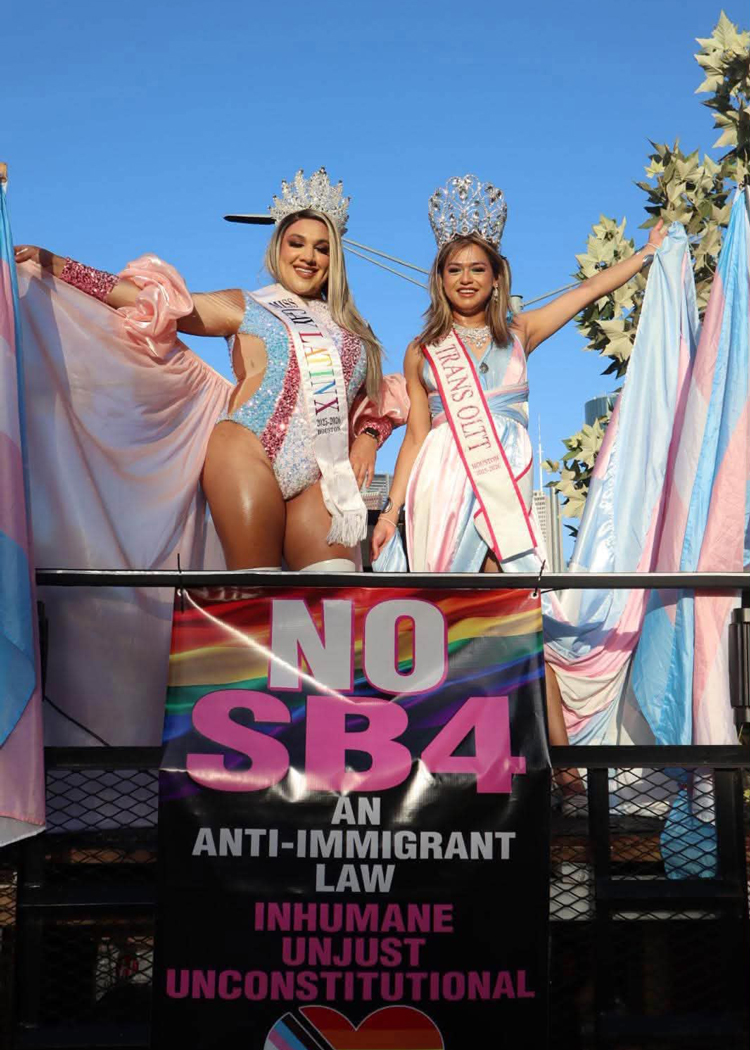
The organization also creates opportunities to celebrate and uplift Houston’s trans Latinx community, including annual Trans-Giving Day and Trans Recordación (Trans Remembrance) events. OLTT also organizes pageants that crown Miss and Mister Trans OLTT, providing participants with both visibility and opportunities beyond the competition itself.
“Not only do we provide a monetary award to [Miss and Mister Trans OLTT], but they also get the opportunity to attend conferences, workshops, and marches not only in the city of Houston but also across Texas and even to other states,” Molina says.
OLTT also participated in this year’s Law Enforcement Sexual Assault Training (LESAT) Conference hosted by the Texas Association Against Sexual Assault (TAASA).
The Fight Continues
For Molina and OLTT, the fight for the liberation of trans immigrant Latinx people continues amid a political climate she believes has made an already vulnerable community even more precarious.
“With today’s politics…the situation at this moment is much more exasperated against our community,” Molina states.
Molina stresses that transgender immigrant women experience layers of marginalization that cannot always be understood through LGBTQ identity alone. Immigration status, race, gender identity, and language can all affect a person’s ability to find housing, health care, legal assistance, and other resources.
She also challenges the broader LGBTQ community to examine how it responds to the needs of trans Latina immigrants. Molina believes that the LGBT community sometimes sees the Latina community “under the same lenses” as someone who is not LGBT.
“We are being attacked due to our incredibly vulnerable position,” she states. “It is one thing to be LGBT and it is another to be a Latinx immigrant who is monolingual and part of the most vulnerable community without any privileges.”
For Molina, that intersection is precisely why OLTT continues its work—and why the organization refuses to allow the experiences of trans immigrant Latinas to disappear from Houston’s larger LGBTQ story.
For more information, visit latinatranstexas.org.